What The China Study Did For Human Health
The China Study, conducted by renowned nutritionist T. Colin Campbell, Ph.D., is considered one of the most comprehensive studies ever undertaken on the relationship between diet and health outcomes. The study was conducted from 1983-1984 in rural villages located in mainland China and Taiwan. By examining thousands of data points gathered from more than 6500 people, Dr. Campbell’s team uncovered a number of key findings which revolutionised how we think about nutrition and its effects on our health.
One of the main observations made by the researchers was that diets high in animal-based proteins were associated with an increased risk for developing cancer and other chronic diseases, while diets rich in plant-based proteins had protective benefits. This finding upended traditional dietary norms and highlighted the importance of eating a diversified plant-based diet for optimal health.
In addition to this key observation, the research showed that diets high in fat and cholesterol were linked with an increased risk of coronary heart disease – a finding which challenged the widely accepted belief that dietary cholesterol had little influence on heart health. Furthermore, Dr. Campbell’s team discovered that diets low in fat and cholesterol could protect against certain forms of cancer, such as breast cancer.
The China Study has been credited with sparking a revolution in nutrition science and helping to shape our understanding of how what we eat can impact our health outcomes. It illustrates the power of good nutrition and sets the benchmark for future studies designed to explore the effect of our diets on health and wellbeing.
Overall, the China Study remains one of the most important pieces of nutrition research every conducted and provides a wealth of evidence for why eating a balanced diet is essential for health. It continues to have far-reaching implications for how we view our diets and their effect on our wellbeing, making it an invaluable resource for both healthcare professionals and everyday people alike.
The top take-aways from the China study are:
1. Diets high in animal-based proteins are associated with an increased risk for cancer and other chronic diseases, while diets rich in plant-based proteins have protective benefits.
2. Diets high in fat and cholesterol can increase the risk of coronary heart disease.
3. Diets low in fat and cholesterol can protect against certain forms of cancer, such as breast cancer.
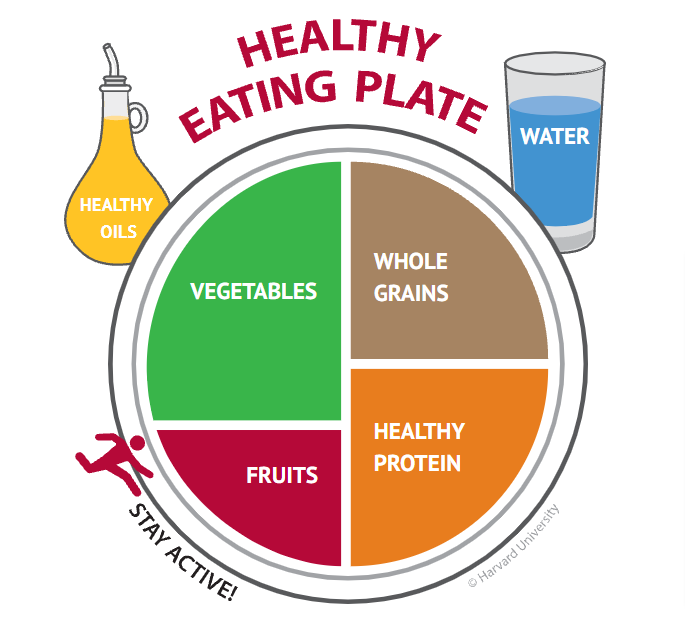
4. Eating a balanced diet is essential for health.
5. Nutrition science has the power to shape our understanding of how what we eat can impact our health outcomes.
The findings from the China Study revolutionised thinking on nutrition, illustrating the powerful influence that good eating habits can have on overall health outcomes. This study serves as a reminder of the importance of making informed nutritional choices and should be considered a valuable resource for anyone wanting to improve their well-being.
Overall, the China Study provides a wealth of evidence for why eating a balanced diet is essential for health. With this knowledge at hand, nutrition science continues to be an invaluable resource for healthcare professionals and everyday people alike.
Ultimately, The China Study is a reminder that good eating habits are fundamental to achieving optimal health outcomes. By taking into account its findings when creating our diets, we can ensure that we are making informed decisions about our nutritional needs and working towards improved well-being.
This study serves as a reminder of the importance of making informed nutritional choices and should be considered a valuable resource for anyone wanting to improve their well-being. With its findings in mind, nutrition science continues to be an invaluable resource for healthcare professionals and everyday people alike. By taking into account the insights from the China Study when creating our diets, we can ensure that we are making informed decisions about our nutritional needs and working towards improved well-being.
Not sure where to start with a plant-based diet?
There are 100s of free plant-based recipes at our sister website: yourplantbasedhealth.com
References:
1) Campbell TC et al (2004). Diet, lifestyle and the etiology of coronary artery disease: The Cornell China Study. American Journal of Cardiology, 94(10), pp.1-9
2) Campbell TC et al (2005). Nutrition in China: Food composition and its implications for disease prevention. The Journal of Nutrition, 135(6), pp.1347-1353
3) Li Y et al (2016). Dietary pattern analysis based on the china study data. PLOS ONE, 11(7), e0159040.
4) Messina M & Lampe JW (2016). Nutritional update for physicians: plant-based diets. The Permanente Journal, 20(2), pp.61-66