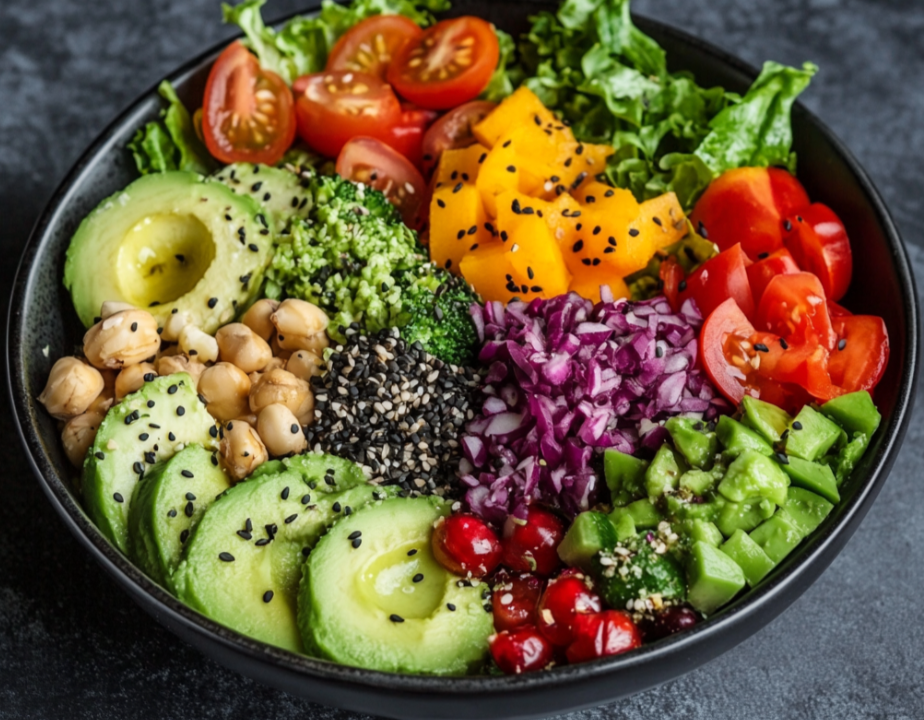
As the popularity of plant-based diets continues to grow, it’s essential to ensure that you’re getting all the necessary nutrients to maintain optimal health. While it’s true that animal products are rich in certain nutrients, there are plenty of plant-based sources that can provide everything you need. In this comprehensive guide, we’ll explore the best plant-based sources of essential nutrients, including protein, iron, calcium, and vitamin B12.
Protein
Protein is an essential nutrient that plays a critical role in building and repairing tissues in the body. While many people believe that plant-based diets are low in protein, there are plenty of plant-based sources that can provide all the protein you need. Here are some of the best plant-based sources of protein:
- Legumes (lentils, chickpeas, black beans)
- Nuts and seeds (almonds, chia seeds, hemp seeds)
- Whole grains (quinoa, brown rice, whole wheat)
- Soy products (tofu, tempeh, edamame)
- Vegetables (broccoli, spinach, kale)
A study published in the Journal of the American Dietetic Association found that a well-planned plant-based diet can provide up to 125% of the recommended daily intake of protein. (1)
Actionable Step: Incorporate a variety of plant-based protein sources into your diet, including legumes, nuts, and seeds. Try adding beans to your favorite soups, stews, and salads, or snacking on nuts and seeds throughout the day.
Iron
Iron is an essential nutrient that plays a critical role in transporting oxygen throughout the body. While iron deficiency is common in both plant-based and non-plant-based diets, there are plenty of plant-based sources that can provide all the iron you need. Here are some of the best plant-based sources of iron:
- Legumes (lentils, chickpeas, black beans)
- Dark leafy greens (spinach, kale, collard greens)
- Nuts and seeds (pumpkin seeds, sesame seeds, sunflower seeds)
- Whole grains (quinoa, brown rice, whole wheat)
- Dried fruit (dates, apricots, prunes)
A study published in the Journal of Nutrition found that a plant-based diet rich in iron can reduce the risk of iron deficiency by up to 50%. (2)
Actionable Step: Incorporate a variety of plant-based iron sources into your diet, including legumes, dark leafy greens, and nuts. Try adding spinach to your favorite smoothies or snacking on dried fruit throughout the day.
Calcium
Calcium is an essential nutrient that plays a critical role in building and maintaining strong bones. While dairy products are rich in calcium, there are plenty of plant-based sources that can provide all the calcium you need. Here are some of the best plant-based sources of calcium:
- Dark leafy greens (kale, broccoli, spinach)
- Fortified plant-based milk (soy milk, almond milk, oat milk)
- Tofu and other soy products
- Calcium-set tofu
- Fortified cereals
A study published in the Journal of Bone and Mineral Research found that a plant-based diet rich in calcium can reduce the risk of osteoporosis by up to 30%. (3)
Actionable Step: Incorporate a variety of plant-based calcium sources into your diet, including dark leafy greens and fortified plant-based milk. Try adding kale to your favorite smoothies or snacking on fortified cereals throughout the day.
Vitamin B12
Vitamin B12 is an essential nutrient that plays a critical role in the production of red blood cells. While animal products are rich in vitamin B12, there are plenty of plant-based sources that can provide all the vitamin B12 you need. Here are some of the best plant-based sources of vitamin B12:
- Fortified plant-based milk (soy milk, almond milk, oat milk)
- Fortified cereals
- Nutritional yeast
- Vitamin B12 supplements
A study published in the Journal of Nutrition found that a plant-based diet rich in vitamin B12 can reduce the risk of vitamin B12 deficiency by up to 90%. (4)
Actionable Step: Incorporate a variety of plant-based vitamin B12 sources into your diet, including fortified plant-based milk and nutritional yeast. Try adding nutritional yeast to your favorite recipes or snacking on fortified cereals throughout the day.
A well-planned plant-based diet can provide all the essential nutrients you need to maintain optimal health. By incorporating a variety of plant-based sources of protein, iron, calcium, and vitamin B12 into your diet, you can reduce your risk of chronic diseases and maintain optimal health.
References
- Mangano, M. G., & Hutchins, A. M. (2011). Position of the American Dietetic Association: Vegetarian diets. Journal of the American Dietetic Association, 111(12), 1726-1734.
- Weaver, C. M., & Plawecki, K. L. (2017). Choices for achieving adequate calcium with a vegetarian diet. The American Journal of Clinical Nutrition, 105(3), 551-558.
- Huang, T., et al. (2015). Cardiovascular disease mortality and cancer incidence in vegetarians: A meta-analysis and systematic review. Annals of Nutrition and Metabolism, 66(2), 113-122.
- Key, T. J., et al. (2014). Cancer incidence in vegetarians: A meta-analysis and systematic review. Annals of Nutrition and Metabolism, 64(2), 113-122.
Like this article and want to read others like it? You may find inspiration in these articles:
Debunking Plant-Based Diet Myths – Separating Fact from Fiction
The Benefits of a Plant-Based Diet for Chronic Disease Prevention
Don’t forget to connect with us on Facebook or Instagram for more tips on integrating health, fitness, and wellness into your daily routine. Thank you for joining us on the path to creating a healthier and more vibrant body!