
The Complete Plant-Based Guide
Transform Your Health and Lifestyle
Are you looking to improve your health and well-being? If so, you may be interested in trying a plant-based diet. Plant-based diets have been shown to improve heart health, lower blood pressure, and reduce the risk of cancer. They can also help you lose weight and gain energy.
This guide will teach you everything you need to know about plant-based diets. We will cover the benefits of plant-based diets, how to transition to a plant-based diet, and how to create a meal plan that meets your needs. We will also provide you with recipes and tips for making the most of your plant-based lifestyle.
Benefits of Plant-Based Diets:
There are many benefits to following a plant-based diet. Some of the most notable benefits include:
- Reduced risk of heart disease: Plant-based diets are low in saturated fat and cholesterol, which are two risk factors for heart disease.
- Lower blood pressure: Plant-based diets are high in fiber, which can help lower blood pressure.
- Reduced risk of cancer: Plant-based diets are high in antioxidants, which can help protect cells from damage that can lead to cancer.
- Weight loss: Plant-based diets are high in fiber and low in calories, which can help you lose weight and keep it off.
- Increased energy: Plant-based diets are high in nutrients that can help boost energy levels.
How to Transition to a Plant-Based Diet:
If you are interested in transitioning to a plant-based diet, there are a few things you can do to make the transition easier. First, it is important to do your research and learn about plant-based diets. There are many resources available online and in libraries.
Once you have learned about plant-based diets, you can start to gradually make changes to your diet. You may want to start by replacing one or two meals per day with plant-based meals. As you become more comfortable with plant-based foods, you can gradually increase the number of plant-based meals you eat.
It is also important to make sure you are getting enough nutrients when you follow a plant-based diet. Some nutrients that may be lacking in plant-based diets include vitamin B12, iron, and zinc. You can get these nutrients by eating fortified foods, such as cereal and milk, or by taking supplements.
Creating a Plant-Based Meal Plan:

Once you have decided to transition to a plant-based diet, you will need to create a meal plan. A meal plan will help you make sure you are getting the nutrients you need and that you are not eating too much or too little.
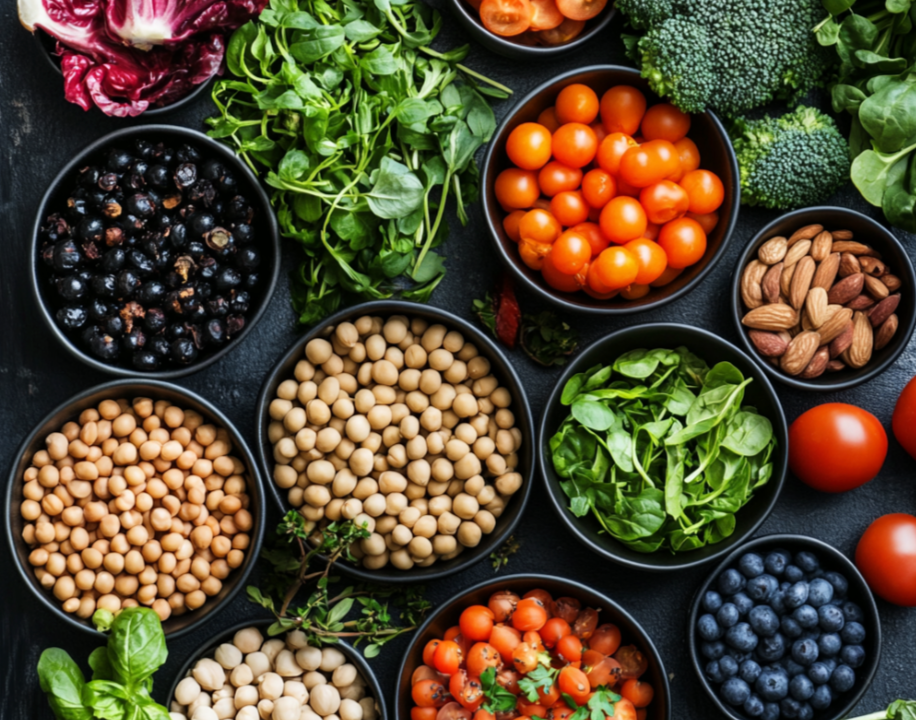
When creating a meal plan, there are a few things to keep in mind. First, you need to make sure you are including a variety of foods from all food groups. This includes fruits, vegetables, grains, legumes, nuts, and seeds.
You also need to make sure you are getting enough calories. The amount of calories you need will vary depending on your age, sex, activity level, and individual needs.
Finally, you need to make sure you are enjoying your meals. If you do not enjoy your meals, you are less likely to stick to your plan.
Recipes and Tips:
We have included a variety of recipes and tips on our blog to help you make the most of your plant-based lifestyle. These recipes are easy to make and are sure to please. You can find them on our Health Blog. Or you can pop over to our recipes blog at yourplantbasedhealth.com
A plant-based diet can be a great way to improve your health and well-being.
This guide has provided you with an outline of the information that you need to get started. With a little planning and effort, you can easily transition to a plant-based diet and enjoy all the benefits it has to offer. You can join our monthly coaching calls for extra guidance and support if you feel that the challenge is too big to go solo.
Ready to transform your health and lifestyle?
Book a free strategy call with us today and let’s discuss how we can help you achieve your goals.During our call, we’ll discuss your current health and fitness goals, your dietary restrictions or preferences, and your fitness level. We’ll also answer any questions you have about our program and how it can help you.At the end of our call, you’ll have a better understanding of whether our program is a good fit for you. If it is, we’ll work together to create a personalized plan that will help you reach your goals.Book your free strategy call today!