Going through the menopause can feel like embarking on an unfamiliar journey, filled with questions and uncertainties. Is this normal? Am I the only one feeling this way? Don’t worry you’re not alone.
This article will guide you through understanding the signs and symptoms of the menopause, ensuring you feel informed and empowered as you navigate this natural phase of life.
What Is the Menopause?
The menopause marks the end of a woman’s reproductive years, typically occurring between the ages of 45 and 55. It’s a natural biological process, but its symptoms can vary widely.
Think of the menopause like a garden transitioning from spring to autumn it’s a natural progression, with unique beauty and challenges at every stage.
Signs and Symptoms of the Menopause
Hot Flushes and Night Sweats
Have you ever felt a sudden wave of heat rising from within, even in the middle of winter? Hot flushes and night sweats are classic menopause symptoms.
Irregular Periods
Your periods might become unpredictable before they stop altogether. Lighter, heavier, shorter, or longer cycles all are common.
Mood Swings
Do you feel like your emotions are on a rollercoaster? Hormonal changes can significantly impact your mood.
Sleep Disturbances
Difficulty falling or staying asleep often accompanies the menopause. This can be due to night sweats or anxiety.
Other Symptoms
These can include vaginal dryness, reduced libido, weight gain, and thinning hair.
The Stages of the Menopause
Perimenopause
This transition phase can start years before the menopause. Symptoms begin, and periods become irregular.
Menopause
Officially, the menopause is confirmed after 12 consecutive months without a menstrual period.
Postmenopause
This is the time after the menopause. Symptoms may ease, but health risks such as osteoporosis can increase.
Hormonal Changes Explained
The menopause is driven by declining levels of oestrogen and progesterone. These hormonal shifts can affect your body’s temperature regulation, bone health, and even mood.
Physical and Emotional Impacts
Bone Health
Lower oestrogen levels can lead to weaker bones. Calcium and vitamin D become your new best friends.
Heart Health
The menopause can increase the risk of heart disease. Adopting heart-friendly habits is crucial.
Mental Health
Anxiety, depression, or a sense of loss are common but manageable with the right support.
How to Confirm You Are in the Menopause
Tracking Symptoms
Keeping a symptom diary can help you and your doctor spot patterns.
Medical Tests
Blood tests to check hormone levels can confirm the menopause, though they’re not always necessary.
Tips for Managing Menopause Symptoms
Stay Cool
Dressing in layers and using a fan can help manage hot flushes.
Relaxation Techniques
Yoga, meditation, or deep breathing can ease stress and improve sleep.
Natural Remedies
Herbs like black cohosh or evening primrose oil may offer relief. Consult a healthcare provider first.
Diet and Lifestyle for Menopause Health
Eat a Balanced Diet
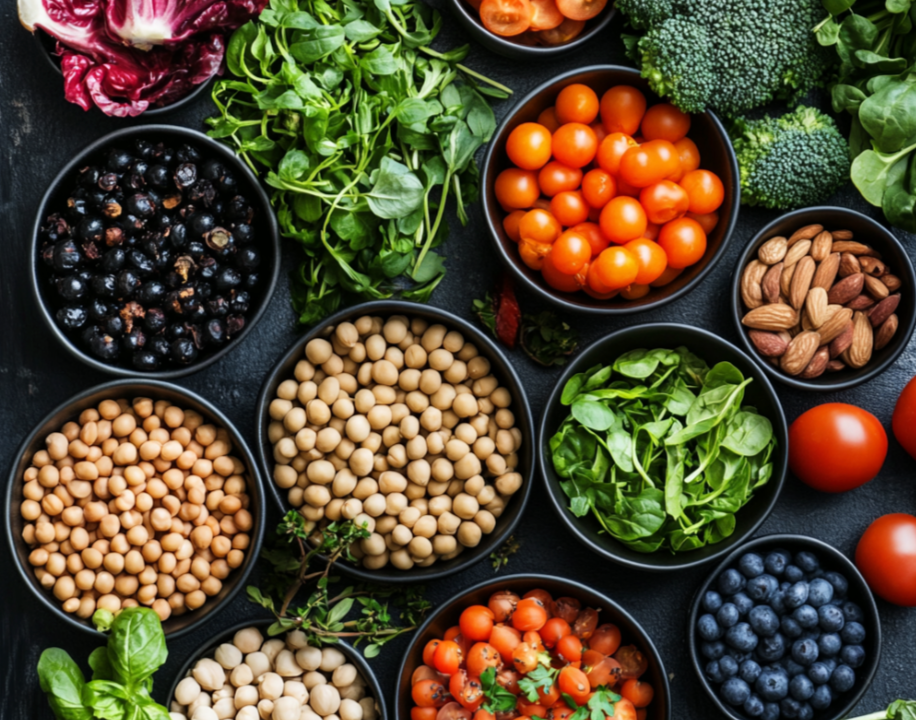
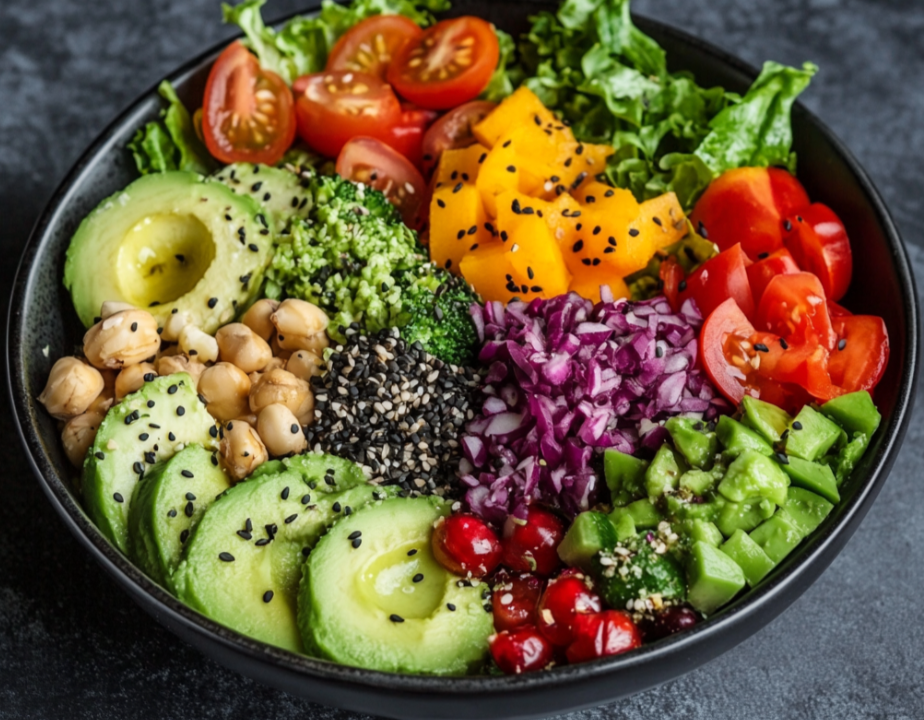
Focus on fruits, vegetables, whole grains, and lean proteins to maintain energy and bone strength.
Exercise Regularly
Weight-bearing exercises like walking or strength training are great for bone health.
Hydrate
Drinking plenty of water can combat dryness and bloating.
Menopause and Mental Health
Acknowledge Your Feelings
It’s okay to feel overwhelmed. Talking to friends, family, or a therapist can help.
Stay Connected
Joining a support group can make a world of difference. Shared experiences often ease the journey.
Living with the Menopause
Redefining Yourself
The menopause is not an end—it’s a beginning. Use this time to focus on hobbies and self-care.
Celebrate Your Wisdom
You’ve gained life experience and resilience. Embrace this new chapter with confidence.
When to Seek Medical Help
If symptoms severely disrupt your life, or if you experience unusual symptoms like heavy bleeding or severe depression, consult a healthcare professional. Hormone replacement therapy (HRT) and other treatments may provide relief.
Frequently Asked Questions (FAQs)
1. How long does the menopause last?
The transition can last several years, with symptoms often easing after the menopause is complete.
2. Can the menopause start earlier than 45?
Yes, this is called premature or early menopause and can occur due to genetics, medical treatments, or health conditions.
3. What is the best treatment for hot flushes?
Treatment varies. Options include lifestyle adjustments, HRT, and natural remedies.
4. Can the menopause cause weight gain?
Yes, hormonal changes and slower metabolism can lead to weight gain. A balanced diet and regular exercise can help.
5. Is hormone replacement therapy safe?
HRT is safe for most women but has risks. Discuss with your doctor to weigh the benefits and risks.
The menopause is a unique journey for every woman. Armed with the right knowledge and support, you can navigate this phase with confidence and grace.
You might also like these articles:
How to Remove Brain Fog
Evidence-Based Nutrition What We Can Learn From Dr. Greger
How Does Diet Affect Autoimmune Diseases?
Love to learn how to live a healthy lifestyle and reverse or prevent lifestyle illness?
Click the button below to claim your free 15-minute coaching call with Isabella.