Where Do Plant-Based Vegans Get Their Protein From?
Protein is such a hot topic that I think it’s worth clarifying what plant-based veganism means before we get into how to get all the protein you need as a plant-based vegan.
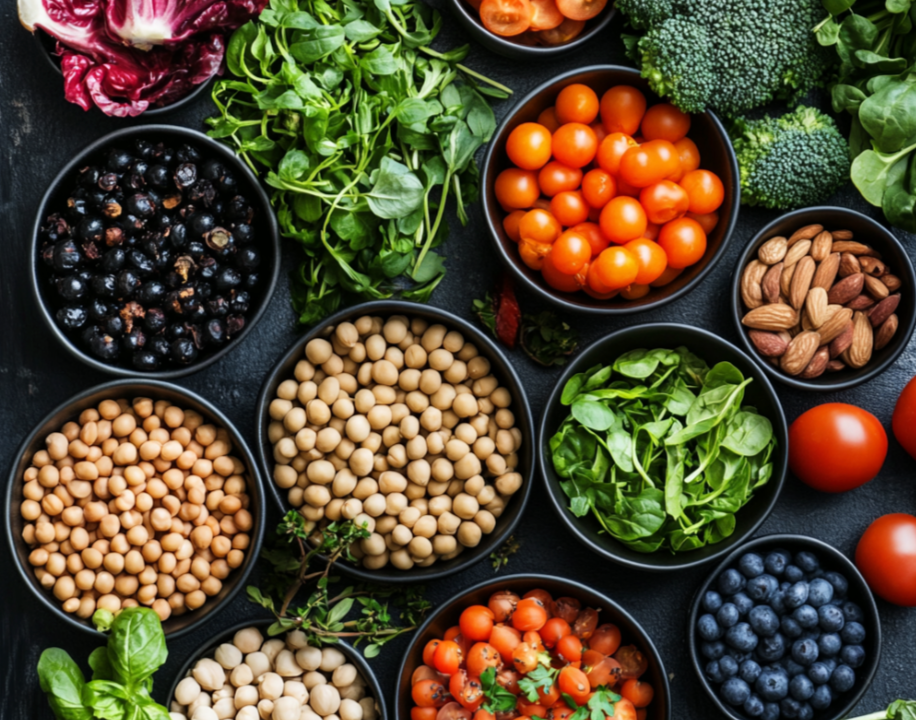
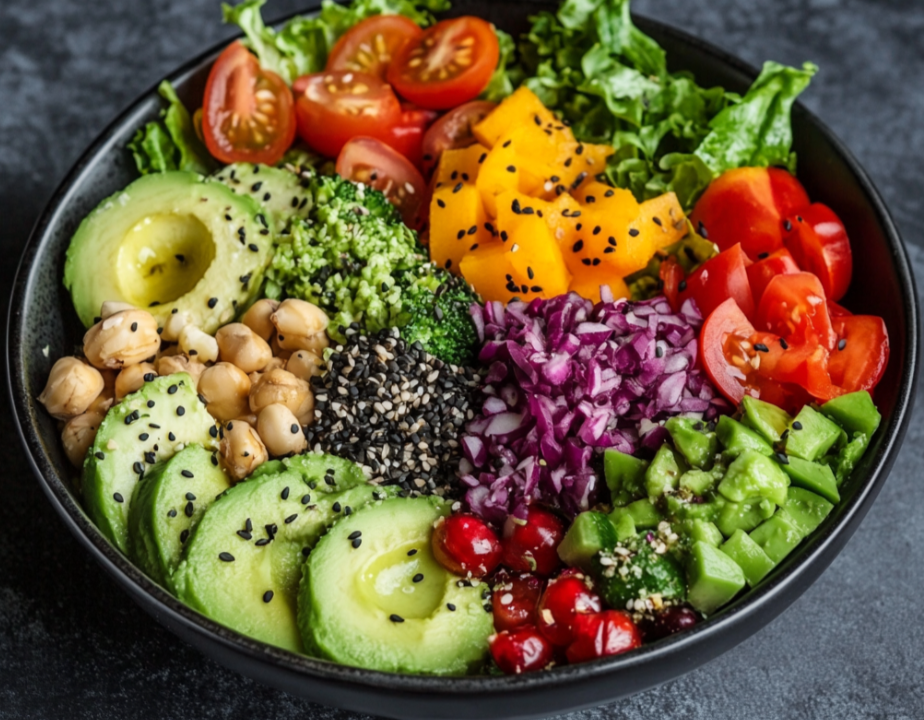
What does plant-based mean? For plant-based vegans, they eat whole plant foods and exclude all animal products. The whole foods plant-based vegan diet includes things like vegetables, fruit, nuts, seeds, legumes, and grains.
“Plant-based” eating patterns exclude animal products or by-products of animals – sometimes referred to as “animal flesh” for simplicity – but plant-based eating patterns can include dairy and eggs because these are not animal parts whereas meat is part of an animal carcass. For plant-based vegans’ dairy and eggs are also excluded.
How Much Protein Do You Need?
The amount of protein recommended by dietitians for plant-based vegans is 1 gram per kilogram of body weight. For example, a plant-based vegan who weighs 90 pounds would need 90 grams of plant-based vegan protein daily. The amount of plant-based vegan protein recommended is the same for all plant-based vegans regardless of gender, age, and weight.
What Are Excellent Plant Based Vegan Sources Of Protein?
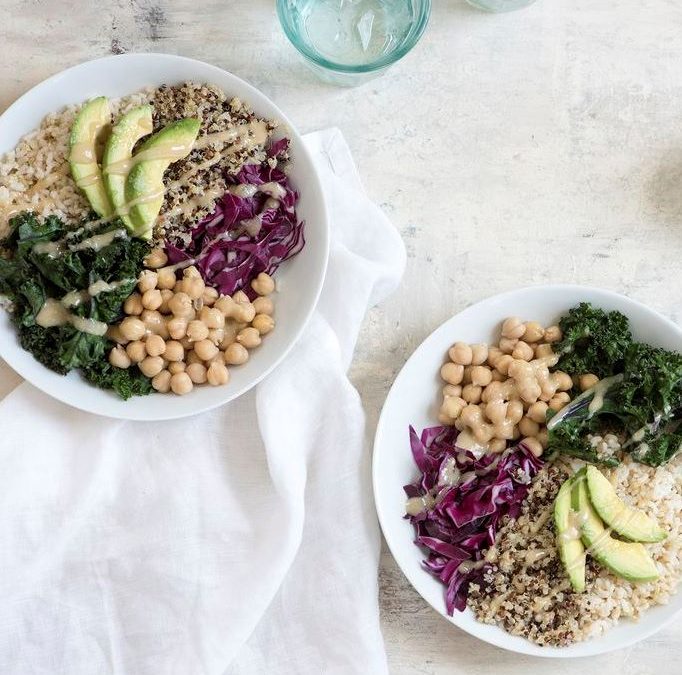
– beans and legumes are plant foods that contain high levels of plant protein.
– nuts and seeds provide a plant-based vegan with plant protein in addition to many nutrients, minerals, and health benefits.
– grains are plant foods that provide plant protein along with fibre, vitamins, and minerals.
What Are Some Good Plant-Based Protein Options?
Some plant-based vegan high protein options that are easy to digest and absorb include tofu. Tofu is made from soybeans which are plant-based protein sources. Tofu can be stir fried, baked or boiled or you can even make omelettes or tofu scramble.
Tempeh is another plant-based option that contains plant protein and it’s easy to digest for most plant-based vegans.
Examples of plant proteins that require more work to be digested by the body include nuts and legumes such as chickpeas. But don’t be discouraged! The lower rate of digestion does not mean these foods contain less protein; your digestive system just has to put more work in to process them.
If you strength train and want to build muscle you will need to consume a higher amount of protein than 0-8g – 1g per body weight.
If you are on a low-calorie diet but want to avoid muscle loss you will need to consume a higher protein intake. Keto is not for everyone and can have long-term side effects. Keeping your protein intake at a safe level is important for optimal health.
There is some research which suggests that we may need to consume higher amounts of protein as we age because our rate of absorption decreases. This may be true but again keto is not for everyone, and a sensible amount of protein should be consumed for optimal health.
Further Examples of Plant-Based Vegan Protein Sources
The list below contains a few more examples of high-protein plant-based vegan foods.
- Seitan
- Soya Beans
- Tempeh
- Pasta made from edamame, red lentils, chickpeas, or any kind of beans,
- Hemp protein
- Nutritional yeast
- Chia seeds
- Flaxseeds
- Nuts (also high in fat)
Why Is The Plant-Based Vegan Diet Good For Weight Loss?
If you eat plant foods like fruit, vegetables, beans and whole grains throughout the day, you probably get enough plant-based vegan protein without even trying because these plant foods have a low-calorie density and are high in fibre. The above sources of plant-based vegan protein are ideal for weight loss diets too because they allow people to eat large portions of food while staying slim.
Plant-based vegans on a whole foods diet consume such a range of plants that they get enough protein in their diets without having to count grams.
However, plant-based vegans following a vegan weight loss or muscle gain diet may benefit from using plant-based vegan calculators that will help them keep track of their plant protein intake to make sure they are getting enough plant-based vegan protein.
I hope this article has helped you understand what plant-based veganism means and how it relates to plant proteins. When following a plant-based vegan diet rich in whole foods the only thing to supplement is B12 not protein.
If you don’t know where to start and would like some free recipes, why not pop over to my vegan resources page and pick up my 7-day recipe book.
See also: Why a Plant-Based Diet is good for Oral Health
Follow Us On Facebook: https://www.facebook.com/createthatbody
Instagram: https://www.instagram.com/isabella.hawke/