As the popularity of plant-based diets continues to grow, so do the misconceptions and myths surrounding this way of eating. From protein deficiencies to calcium shortages, it’s time to set the record straight and separate fact from fiction. In this article, we’ll debunk common plant-based diet myths and provide evidence-based information to help you make informed decisions about your health.
Myth #1: Plant-Based Diets are Protein-Deficient
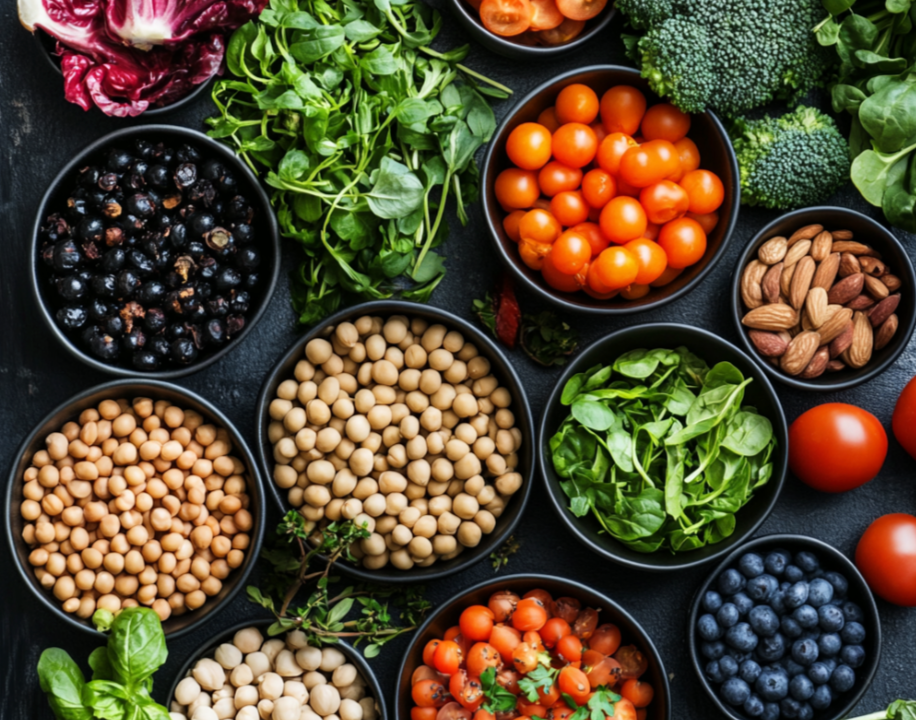
One of the most common misconceptions about plant-based diets is that they lack sufficient protein. However, this couldn’t be further from the truth. Plant-based sources of protein are abundant and varied, including:
- Legumes (lentils, chickpeas, black beans)
- Nuts and seeds (almonds, chia seeds, hemp seeds)
- Whole grains (quinoa, brown rice, whole wheat)
- Soy products (tofu, tempeh, edamame)
In fact, a study published in the Journal of the American Dietetic Association found that a well-planned plant-based diet can provide up to 125% of the recommended daily intake of protein. (1)
Actionable Step: Incorporate a variety of plant-based protein sources into your diet, including legumes, nuts, and seeds. Try adding beans to your favorite soups, stews, and salads, or snacking on nuts and seeds throughout the day.
Myth #2: Plant-Based Diets are Calcium-Deficient
Another common myth is that plant-based diets lack sufficient calcium, leading to weakened bones and osteoporosis. However, plant-based sources of calcium are plentiful, including:
- Dark leafy greens (kale, broccoli, spinach)
- Fortified plant-based milk (soy milk, almond milk, oat milk)
- Tofu and other soy products
- Calcium-set tofu
In fact, a study published in the Journal of Nutrition found that a plant-based diet rich in calcium can help support bone health and reduce the risk of osteoporosis. (2)
Actionable Step: Incorporate calcium-rich plant-based foods into your diet, including dark leafy greens and fortified plant-based milk. Try adding kale to your favorite smoothies or using calcium-set tofu in your favorite recipes.
Myth #3: Plant-Based Diets are Too Expensive
Many people believe that plant-based diets are too expensive, but this doesn’t have to be the case. While some plant-based alternatives to meat and dairy products can be pricey, whole, plant-based foods are often affordable and accessible.
In fact, a study published in the Journal of Hunger & Environmental Nutrition found that a plant-based diet can be up to 30% cheaper than a meat-based diet. (3)
Actionable Step: Focus on whole, plant-based foods like fruits, vegetables, whole grains, and legumes. Shop at local farmers’ markets or join a community-supported agriculture (CSA) program to access fresh, affordable produce.
Myth #4: Plant-Based Diets are Too Restrictive
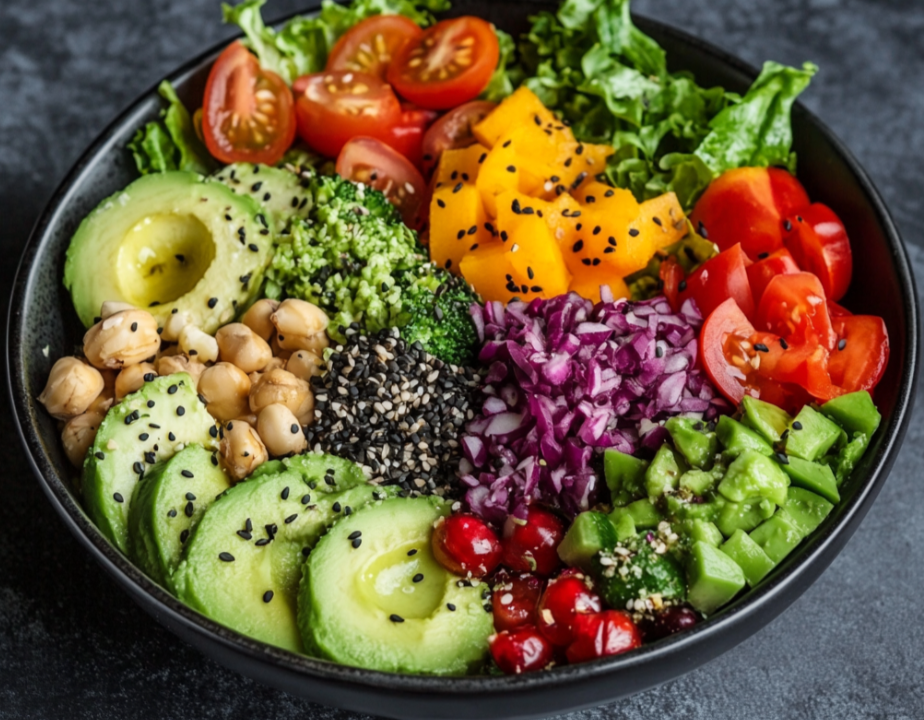
Some people believe that plant-based diets are too restrictive, but this couldn’t be further from the truth. Plant-based diets offer a wide variety of delicious and nutritious foods, including:
- Fruits and vegetables
- Whole grains and legumes
- Nuts and seeds
- Plant-based milk and yogurt
- Tofu and other soy products
In fact, a study published in the Journal of the Academy of Nutrition and Dietetics found that a plant-based diet can be more varied and satisfying than a meat-based diet. (4)
Actionable Step: Experiment with new plant-based foods and recipes to find what you enjoy. Try new fruits and vegetables, or explore different types of whole grains and legumes.
Plant-based diets are often misunderstood, but the evidence is clear: a well-planned plant-based diet can provide all the necessary nutrients for optimal health. By incorporating a variety of plant-based foods into your diet, you can reap the benefits of a plant-based lifestyle, including improved health, weight loss, and environmental sustainability.
-
By incorporating these actionable steps into your daily routine, you can start to reap the benefits of a plant-based diet and improve your overall health and well-being.
Like this article and want to read others like it? You may find inspiration in these articles:
createthatbody.com/a-friendly-guide-to-vegan-living-for-beginners
createthatbody.com/a-comprehensive-guide-to-the-vegan-diet-for-pregnant-women
Don’t forget to connect with us on Facebook or Instagram for more tips on integrating health, fitness, and wellness into your daily routine. Thank you for joining us on the path to creating a healthier and more vibrant body!
References
- Mangano, M. G., & Hutchins, A. M. (2011). Position of the American Dietetic Association: Vegetarian diets. Journal of the American Dietetic Association, 111(12), 1726-1734.
- Weaver, C. M., & Plawecki, K. L. (2017). Choices for achieving adequate calcium with a vegetarian diet. The American Journal of Clinical Nutrition, 105(3), 551-558.
- Scarborough, P., Appleby, P. N., Mizdrak, A., Briggs, A. D., Travis, R. C., Bradbury, K. E., & Key, T. J. (2014). Dietary greenhouse gas emissions of meat-eaters, fish-eaters, vegetarians and vegans in the UK. Climatic Change, 125(2), 179-192.
- Huang, T., Yang, B., Zheng, J., Li, G., Wahlqvist, M. L., & Li, D. (2015). Cardiovascular disease mortality and cancer incidence in vegetarians: A meta-analysis and systematic review. Annals of Nutrition and Metabolism, 66(2), 113-122.
Love to learn how to live a healthy lifestyle and reverse or prevent lifestyle illness?
Click the button below to claim your free 15-minute coaching call with Isabella.