
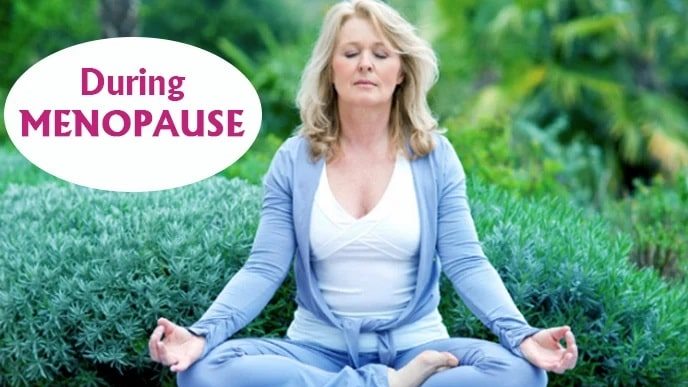
The menopause and its symptoms how to fight your way through it
The menopause is a time in a woman’s life when her periods stop. It usually happens around the age of 50, but can happen earlier or later.
The menopause can cause some symptoms that can be a bother. But there are treatments that can help.
If you’re approaching menopause or are in menopause, here’s what you need to know about the symptoms and how to manage them.
What are the symptoms of the menopause?
The most common symptom of the menopause is hot flashes. A hot flash is a sudden feeling of warmth, sometimes followed by sweating. Hot flashes can happen day or night and last from a few seconds to several minutes.
Other common symptoms include:
Sleep problems
Mood changes
Weight gain
Vaginal dryness and painful sex
Urinary problems
What causes the menopause?
The menopause is caused by a decline in the hormones estrogen and progesterone. This decline happens gradually over time. It’s different for every woman. For some women, the menopause can happen suddenly. This is called premature ovarian failure. It happens when the ovaries stop working before age 40.
How is the menopause diagnosed?
There’s no one test to diagnose the menopause. Your doctor will ask about your medical history and symptoms. You may also have a physical exam.
If your doctor thinks you’re in menopause, they may order blood tests to check your hormone levels. They may also do a Pap test or pelvic exam to check for other causes of your symptoms, such as infection.
How is the menopause treated?
There’s no cure for the menopause. But there are treatments that can help with the symptoms. These include:
Hormone therapy: This treatment replaces estrogen and progesterone in the body. It can be taken as a pill, skin patch, gel, cream, or vaginal ring. Hormone therapy can provide relief from hot flashes and other menopausal symptoms. But it does have some risks, so be sure to talk to your doctor about whether it’s right for you.
This treatment replaces estrogen and progesterone in the body. It can be taken as a pill, skin patch, gel, cream, or vaginal ring. Hormone therapy can provide relief from hot flashes and other menopausal symptoms. But it does have some risks, so be sure to talk to your doctor about whether it’s right for you. Antidepressants: Low doses of certain antidepressants can help with hot flashes and other menopausal symptoms.
Low doses of certain antidepressants can help with hot flashes and other menopausal symptoms. Gabapentin: This medication is sometimes used to treat hot flashes.
This medication is sometimes used to treat hot flashes. Clonidine: This medication is sometimes used to treat hot flashes.
This medication is sometimes used to treat hot flashes. Sleep aids: If you’re having trouble sleeping, your doctor may prescribe a sleep aid.
If you’re having trouble sleeping, your doctor may prescribe a sleep aid. Vaginal moisturizers and lubricants: These can help with vaginal dryness and pain during sex.
These can help with vaginal dryness and pain during sex. Pelvic floor muscle exercises: These exercises can help with urinary problems.
Can the menopause be prevented?
There’s no way to prevent the menopause. But if you’re approaching menopause, there are things you can do to prepare for it, such as:
Talk to your doctor about the menopause and what to expect.
Get regular exercise and eat a healthy diet. This can help with hot flashes and other menopausal symptoms. It can also help with weight gain.
Quit smoking. Smoking can make hot flashes worse. It can also lead to other health problems, such as heart disease and cancer.
Manage stress. Stress can make hot flashes worse. Try relaxation techniques, such as yoga or meditation.
Eat a whole foods plant-based diet. This type of diet has been shown to reduce hot flashes.
What are the complications of the menopause?
The menopause can cause some serious complications, such as:
Osteoporosis: This is a condition that causes bones to become weak and break easily. It’s more common after menopause.
Heart disease: Menopausal women are at increased risk for heart disease. The risk can be reduced by exercising and eating a healthy diet.
Stroke: Menopausal women are at increased risk for stroke. The risk can be reduced by exercising and eating a healthy diet.
Urinary incontinence: This is when you leak urine when you cough, sneeze, or laugh. It’s more common after menopause.
Vaginal dryness and pain during sex: This is caused by a lack of estrogen. It can be treated with vaginal moisturizers and lubricants.
What are the risks of the menopause?
The menopause itself isn’t dangerous. But it can increase your risk for certain health problems, such as osteoporosis, heart disease, and dementia. That’s why it’s important to talk to your doctor about how to stay healthy during and after menopause.
What is the outlook for the menopause?
The menopause is a natural process that happens to all women. It’s not a disease, and it doesn’t need to be treated. But it can cause some uncomfortable symptoms, such as hot flashes and night sweats. There are treatments available to help with these symptoms. And there are things you can do to stay healthy during and after menopause. If you’d like more information on how you deal with the menopausal symptoms contact us.
When choosing a vegan diet plan, be sure to include plenty of fruits and veggies in your meals and snacks.
View List Of All Recipe On Create That Body
Learn More About Isabella Hawke | Follow Us On Facebook | Instagram