
How can a whole foods plant-based diet help to reduce the symptoms of depression and anxiety?
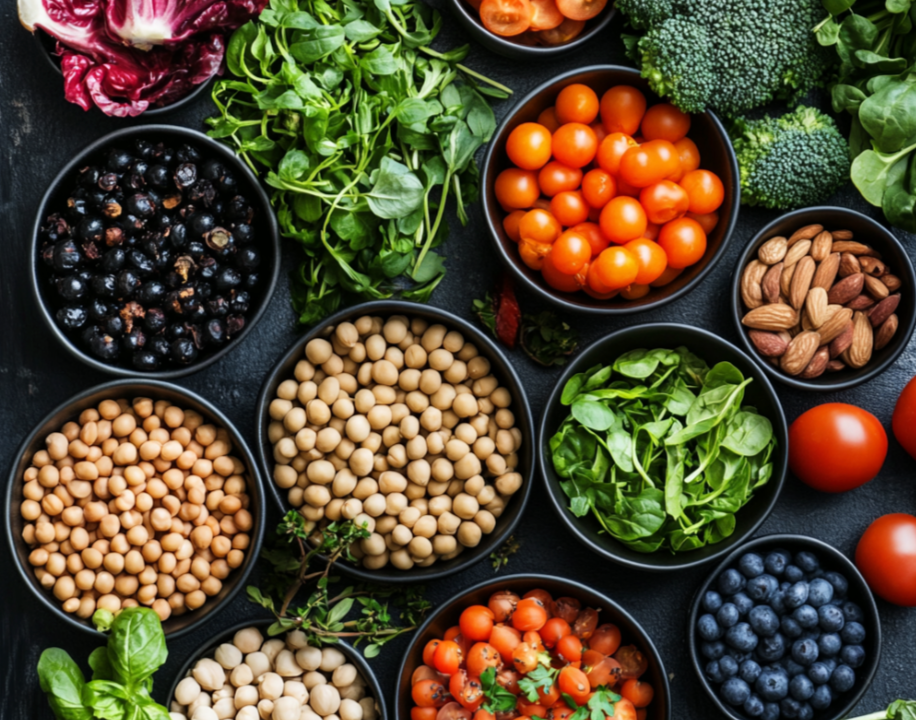
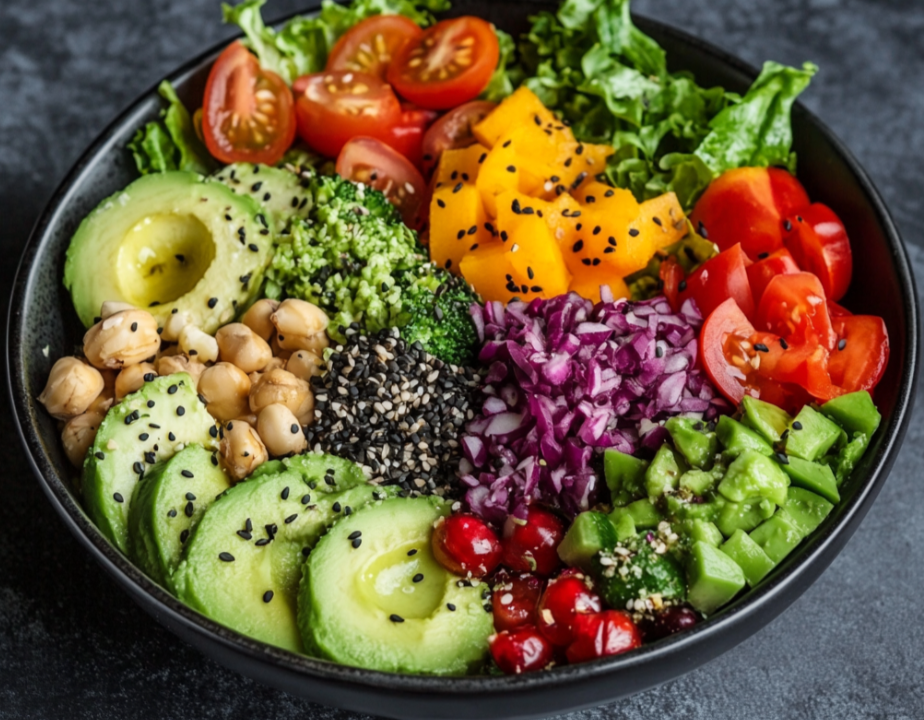
A whole foods plant-based diet can be beneficial for reducing the symptoms of depression and anxiety. This type of diet is rich in fruits, vegetables, whole grains, legumes, nuts, and seeds, and is typically low in processed foods, animal products, and added sugars.
There is evidence to suggest that a whole foods plant-based diet may have a positive impact on mental health. For example, a review of 12 studies found that plant-based diets were associated with a significant reduction in depression symptoms.
Another study found that a plant-based diet was associated with a lower risk of anxiety disorders.It is thought that the beneficial effects of a whole foods plant-based diet on mental health may be due to a variety of factors, including the presence of antioxidants, fibre, and other nutrients that support brain health, as well as the absence of unhealthy ingredients that may contribute to the development of mood disorders.
What plant-based foods help with depression and anxiety?
- There are a variety of plant-based foods that may help to reduce the symptoms of depression and anxiety. Here are a few examples:
- Leafy green vegetables: These are rich in antioxidants and nutrients that support brain health, such as folate and magnesium.
- Nuts and seeds: These are high in healthy fats, such as omega-3 fatty acids, which may help to reduce inflammation and improve mood.
- Legumes: These are a good source of protein, fibre, and complex carbohydrates, which can help to regulate blood sugar levels and improve energy.
- Fruits: These are rich in antioxidants and other nutrients that may help to support brain health.
- Whole grains: These are a good source of complex carbohydrates, which can help to regulate blood sugar levels and
- improve energy.It is important to note that no single food can cure depression or anxiety.
- A healthy, balanced diet that includes a variety of plant-based foods is the best approach for supporting overall mental health.
Why you should ditch the meat, dairy, and processed food and opt for a whole foods, plant-based diet?
There are a number of reasons why you might choose to ditch meat, dairy, and processed foods in favour of a whole foods, plant-based diet:
- Improved health: A whole foods, plant-based diet may reduce the risk of a number of chronic conditions, such as heart disease, diabetes, and certain cancers. It may also improve overall health and well-being.
- Weight loss: Plant-based diets are often lower in calories and fat than diets that include animal products, which may make them effective for weight loss.
- Environmental benefits: Plant-based diets require fewer natural resources to produce, such as land, water, and energy, compared to diets that include animal products.
- Animal welfare: Animals suffer horrific conditions and and are slaughtered in inhumane ways so we can eat food that is unhealthy. Animal cruelty is something that should not be tolerated for any reason.
Why a whole foods plant-based diet can reduce lifestyle diseases
There is evidence to suggest that a whole foods plant-based diet may be effective for reducing the risk of certain chronic diseases, such as heart disease, diabetes, and certain cancers. This may be due to a variety of factors, including the following:
High intake of fibre: Plant-based diets are typically high in fibre, which can help to lower cholesterol levels and regulate blood sugar levels.
Low intake of saturated fat: Plant-based diets are typically low in saturated fat, which can help to reduce the risk of heart disease.
High intake of antioxidants: Fruits and vegetables are rich in antioxidants, which can help to protect cells from damage and reduce the risk of chronic diseases.
Low intake of processed foods: A whole foods plant-based diet is typically low in processed foods, which can be high in added sugars, unhealthy fats, and additives that may contribute to the development of chronic diseases.
How to start a plant-based diet lifestyle
Starting a plant-based diet can be a healthy and enjoyable way to eat. Here are a few tips to help you get started:
Make a plan: Consider your goals and preferences, and plan your meals and snacks accordingly. Make a list of plant-based foods that you like, and try to incorporate a variety of these into your diet.
Stock your pantry and fridge: Keep your kitchen well-stocked with a variety of plant-based foods, such as fruits, vegetables, whole grains, legumes, nuts, and seeds.Experiment with new foods and recipes: Try new plant-based foods and recipes to keep things
interesting. There are many delicious and easy-to-prepare plant-based meals and snacks available.Don’t be afraid to eat out: Many restaurants offer plant-based options, or can make modifications to dishes to make them plant-based.
Seek support: Consider joining a plant-based community or working with a health coach like me who can help you navigate the transition to a plant-based diet.
Remember, there is no “one-size-fits-all” approach to eating a plant-based diet. It is important to find what works best for you and to seek the advice of a health professional if you have any concerns.
Did you find this helpful?
To read our latest blog click here: 10 Things You Didn’t Know About The Menopause