Menopause Symptoms
The menopause is a natural process that occurs as a woman gets older. It usually starts around the age of 50, but can occur earlier or later. The menopause marks the end of a woman’s reproductive years and her menstrual cycle.
There are several things that can cause the menopause, including:
– ageing
– medical conditions such as ovarian cancer or premature ovarian failure
– treatment for certain cancers, such as chemotherapy or radiation therapy
The menopause can have a number of different effects on a woman’s body. Some women may not experience any symptoms at all, while others may notice changes in their bodies and their moods. Some common symptoms of the menopause include:
– hot flushes
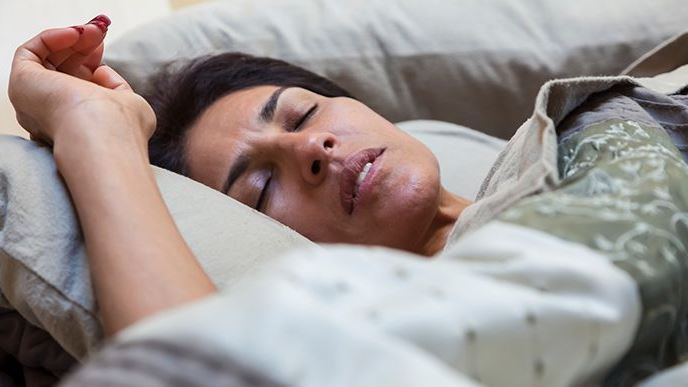
– night sweats
– vaginal dryness
– changes in sexual desire
– weight gain
– mood swings
There are three main stages of the menopause: perimenopause, menopause and postmenopause. Perimenopause is the stage before the menopause, when a woman’s body is preparing for the transition. Menopause is when a woman’s menstrual cycles have stopped and she can no longer become pregnant. Postmenopause is the stage after the menopause, when a woman’s body has adjusted to the change.
The menopause can be a difficult time for some women, but there are things that can help. If you’re experiencing any symptoms of the menopause, talk to your doctor about treatment options. There are also lifestyle changes that can help, such as eating a healthy diet and getting regular exercise.
There are many different things that can contribute to the symptoms of menopause, but one of the most important is diet. What you eat can have a big impact on how your body responds to the hormonal changes that occur during menopause.
There are a few specific things that you should avoid if you want to minimize your menopausal symptoms. First, stay away from sugary foods and drinks. Sugar can cause your blood sugar levels to spike, which can lead to hot flashes and night sweats.
Second, avoid caffeine. Caffeine can also trigger hot flashes and night sweats. If you must have caffeine, try to limit it to one cup per day.
Third, avoid alcohol. Alcohol can interfere with your sleep and make hot flashes worse. If you do drink, do so in moderation.
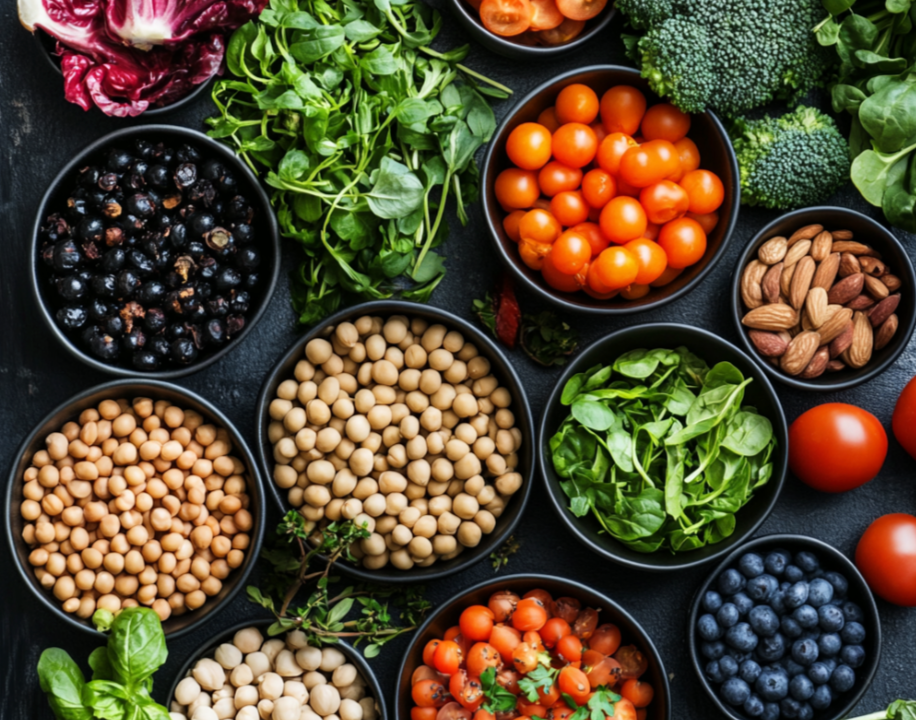
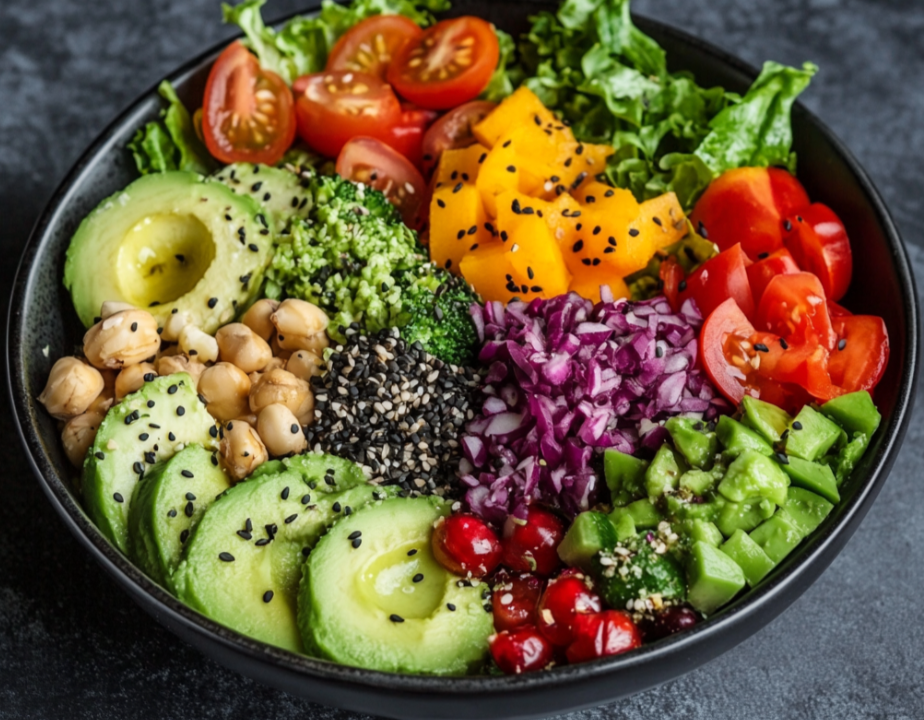
Finally, eat a healthy diet. Eating plenty of fruits, vegetables, and whole grains can help your body cope with the hormonal changes of menopause. Eating a balanced diet will also give you the energy you need to get through the day.
When it comes to menopause, diet is important. By avoiding sugary foods, caffeine, alcohol, and eating a healthy diet, you can minimize your menopausal symptoms and feel your best during this time in your life.
As we age, our bodies go through changes that can sometimes be difficult to cope with. One of the most challenging times for many women is menopause, when hormone levels shift and cause a range of uncomfortable symptoms.
Fortunately, there are things you can do to help ease the transition and improve your quality of life during this time. One of the most important things is to have the right mindset.
Negative thinking can make menopause symptoms worse. If you focus on all the ways that menopause is disrupting your life, you’ll likely find yourself feeling even more stressed and anxious.
Instead, try to focus on the positive aspects of this time in your life. Embrace the opportunity for change and
View List Of All Recipe On Create That Body
Learn More About Isabella Hawke | Follow Us On Facebook | Instagram