Just starting out on a plant-based diet?
As you know, a plant-based diet is all about eating more plants, eating whole foods, and avoiding processed foods. If you avoid healthy plant-based food, it can lead to lifestyle diseases and weight gain.
When you’re just starting out on a plant-based diet, it’s important to have the right mindset. The right mindset will help you stay strong on your plant-based nutrition plan through thick and thin.
Stress is everywhere and the main cause of our stress is our environment. Try to stay around people who support you in your health goals and you’ll find that your goals become more manageable.
Stress is the biggest reason why people fall off their nutrition plans plant-based or not.
The benefits of a plant-based diet
The plant-based diet has many benefits one of which is feeling better about yourself because you start to look and feel healthier in short period of time.
A plant-based diet can help you lose weight, lower your odds of developing heart disease or reduce your risk of getting cancer.
Plant-based diets are naturally low in fat and high in antioxidants that fight stress.
A whole foods plant-based diet avoids processed foods (which is stress inducing) and avoids dairy products (cows get stressed when they’re separated from their babies) so it helps to reduce the stress your body endures.
Plant-based diets are all about eating more plants which reduces stress for everyone!
It’s important to have the right mindset when starting a plant-based diet. Mindset is the number one way you can guarantee your weight loss success.
To be plant-strong, it’s not about being perfect but it’s about getting better at making healthy plant-based choices every day.
A plant-strong diet is a diet based on whole plant foods, such as vegetables, fruits, grains, nuts, and seeds.
There are three basic types of plant-based diets:
1) The plant-based Standard American Diet (SAD): This consists of processed food high in fat and cholesterol that’s been linked to cancer, obesity, diabetes/heart disease.
2) A plant-strong diet: plant-strong diets rely primarily on plant food eaten in their natural state or minimally processed. Plant-based nutrition is naturally low in fat and contains zero cholesterol!
3) Vegan Diets: This type of plant-based plan excludes all animal products.
What to eat on a plant-based diet?
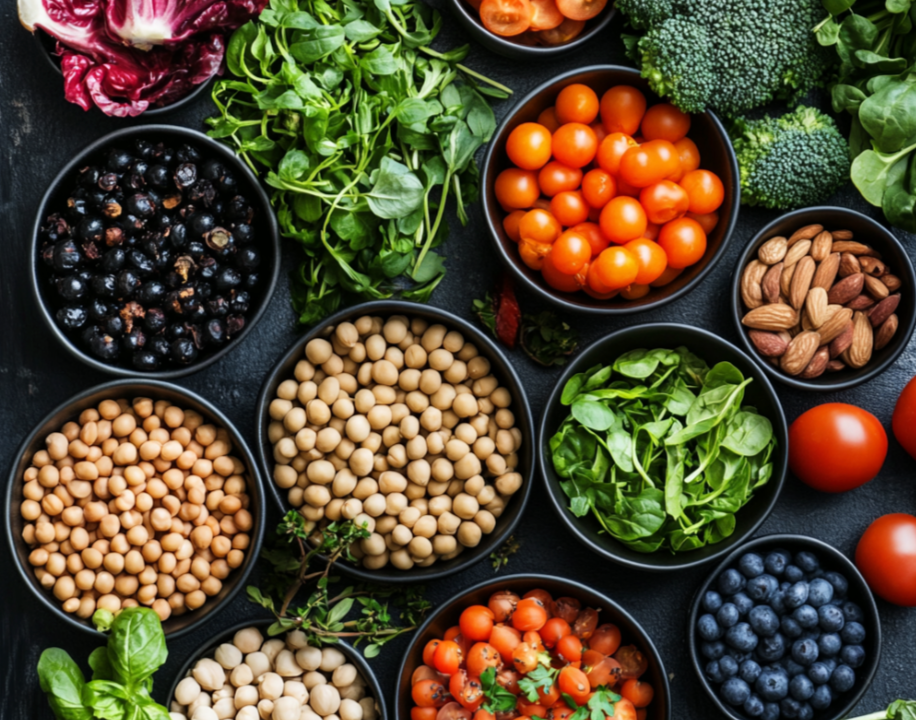
On a plant-strong diet you would eat plant protein like beans, brown rice, lentils, nuts (almonds), seeds (pumpkin & chia), plant-based protein powder (hemp/pea/rice/soy)
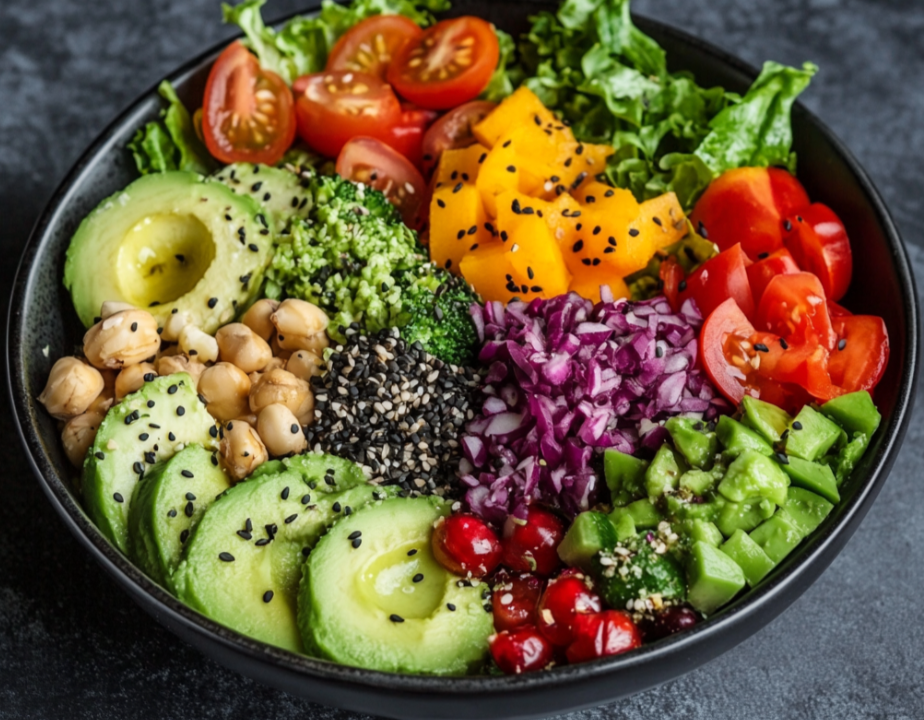
Use plant fats like avocados, coconut oil, olives.
Eat plant-based carbs like whole grains (brown rice & quinoa), starchy vegetables (potatoes), root vegetables (carrots & beets).
You should eat plant foods that are high in fibre and nutrients including leafy greens (spinach), cruciferous veggies (broccoli & cauliflower) and other veggies.
What plant foods should you eat on a plant-based diet?
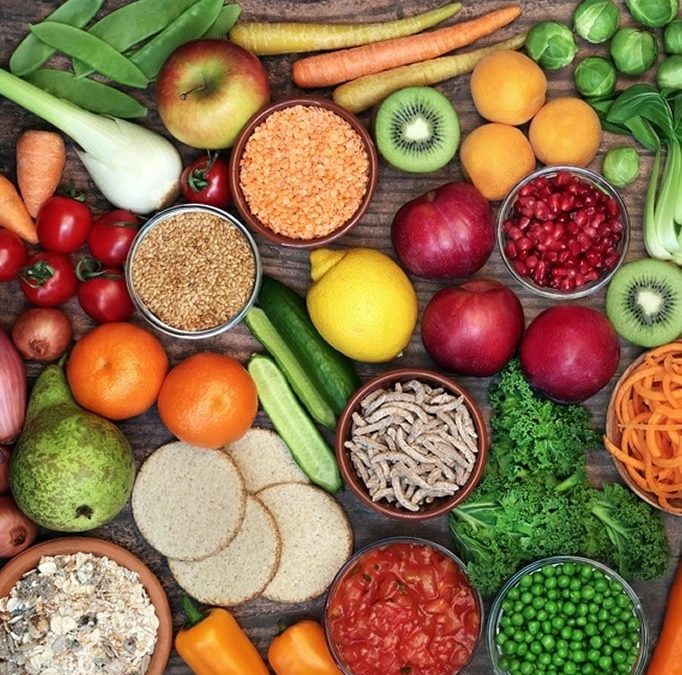
Eat lots of whole fruits including berries, apples, oranges & pineapple for their fibre content and water to fill you up while avoiding the extra sugar found in fruit juices.
Where to start plant-based grocery shopping?
Eating plant-strong is all about filling up on vegetables. Start your plant-based diet by choosing mostly vegan whole foods. The best way to start cooking plant-based foods is to start with ingredients that are already available in the grocery store or farmer’s market.
What plant foods should you be concentrating on for a healthy plant-based diet?
Plant Protein:
1) Beans & legumes – garbanzo beans (chickpeas), butter beans, black beans, kidney beans, white beans navy beans, lentils, and split peas.
2) Sprouted tofu
3) Plant-based powders like pea protein or brown rice protein.
4) Nuts – almonds and cashews.
5) Seeds – pumpkin seeds and chia seeds.
6) Whole Grains – barley and quinoa
7) Soy Milk
8) Plant-based yogurts
9) Hummus
10 ) Seitan.
11) Mix plant-based protein powder with plant-based milk (almond, soy, flax).
Plant Fat:
1) Nuts & Seeds – Almonds, cashews, coconut
2) Whole plant foods like avocados
3) Olive Oil, Coconut Oil
Plant Carbohydrates:
1) Whole Grains – brown rice and quinoa
2) Starchy vegetables – potatoes
3) Root vegetables – carrots and beets
4 ) Bananas
5 ) Apple
6 ) Pear
7 ) Pineapple
8 ) Peas
9) Corn
Fruits:
1) Berries – strawberries and blueberries
2) Bananas
3) Apples
4) Pears
5) Oranges
6) Peaches
7) Pineapple
What plant foods to avoid?
Avoid processed plant food like french fries, potato chips, plant-based fried foods (coconut oil & palm oil), baked goods (cookies & cakes)
Unless made by yourself at home the items below should not be consumed as if bought from a shop are normally high in fat, sugar and salt.
1) Plant-based smoothies (shop bought)
2) Plant-based muffins
3) Plant-based cakes
4) Plant-based cookies
5) Plant-based pies
6) Plant-based ice cream
7) Tomato sauce for pasta (shop bought)
8) Plant-based soups (shop bought)
9) Plant-based deserts
10) Plant-based cheese
Do you have the mindset for permanent and lasting change?
The list above is not an endless list but should be used as a brief outline for guidance. Plant-based diets can often be daunting especially if you don’t know where to start. You may want to try some of my plant-based recipes to start with and go from there.
You clearly want to make changes to your diet so you can lose weight, get healthier, reverse lifestyle diseases, or reverse the symptoms of the menopause but the question is, do you have the right mindset for permanent change?
If the answer is no and you’d like to find out how you can make the mindset shift why not book in for your free fifteen minute consultation?
See also: CAN PLANT-BASED DIET REVERSE HEART DISEASES
Follow Us On Facebook: https://www.facebook.com/createthatbody
Instagram: https://www.instagram.com/isabella.hawke/