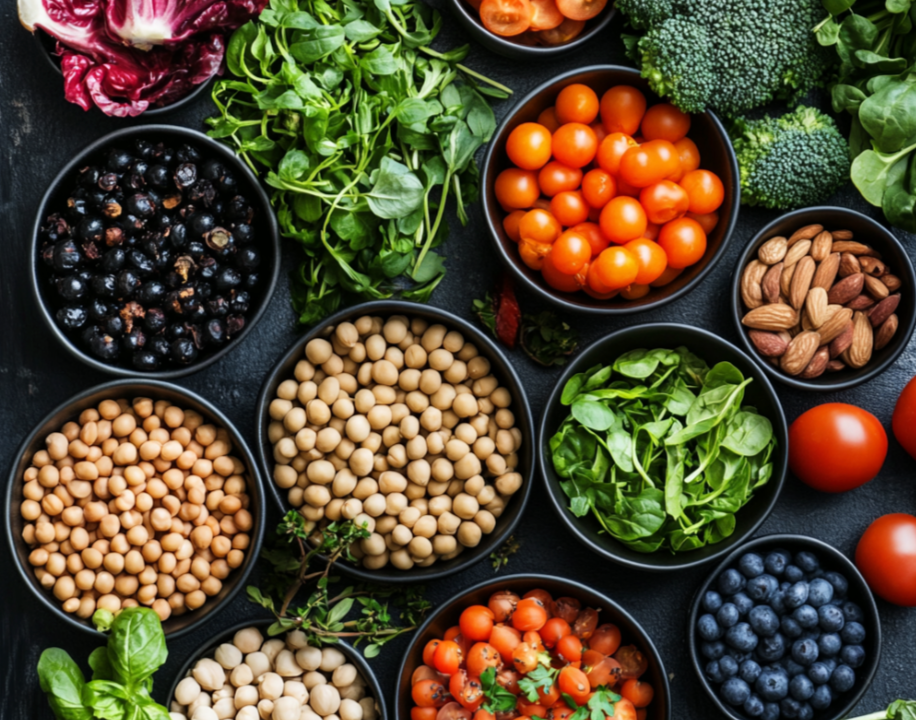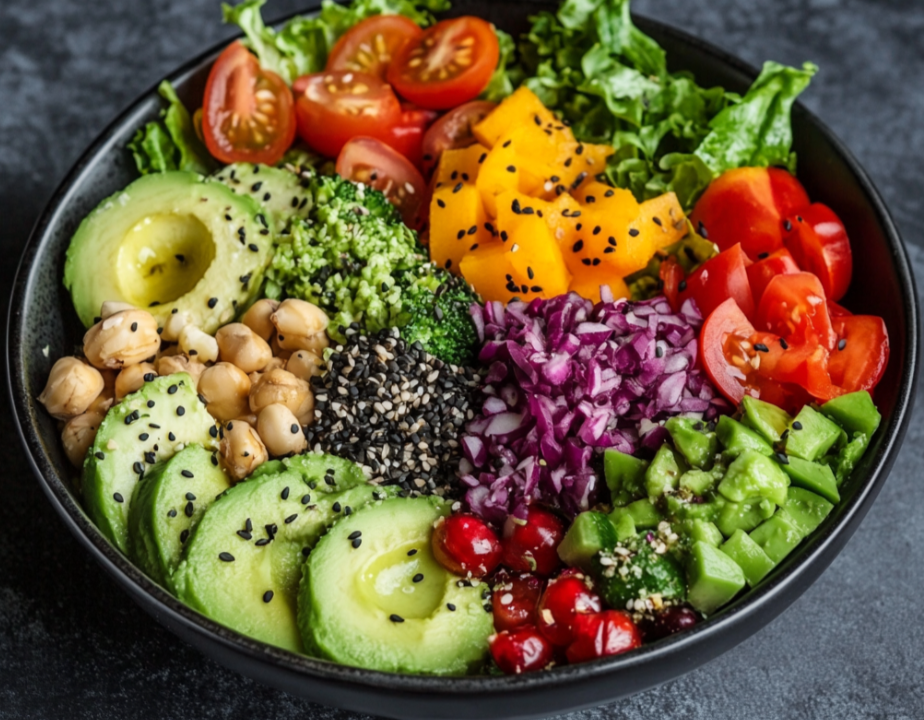

A whole-foods vegan diet is a plant-based diet that focuses on whole grains, vegetables, and fruits. It omits foods such as meat, dairy, and eggs. A vegan diet doesn’t mean that you have to give up everything though. You can still eat healthy choices such as avocados, nuts, seeds, and legumes (beans). Here are 10 benefits of a whole-foods vegan diet:
Weight Loss
You may have heard that vegan diets are high in fiber and protein, but you might not have realized that this means they’re low in calories. A whole foods vegan diet is also low in saturated fat, which means it’s one of the healthiest ways to lose weight.
The reason for this is simple: when you eat fewer calories than your body needs, it begins burning fat stores for energy instead of using carbs from food sources like bread or pasta (which can cause an energy crash). In addition to burning stored energy sources, research shows that eating more fiber helps control appetite so you’re not as hungry between meals–and thus less likely to overeat later on!
Lower Blood Pressure
You’ll be reducing your sodium intake, which can help lower blood pressure.
Most people consume way too much sodium in their diet. A whole foods vegan diet is naturally low in sodium, so you’ll be able to cut back on the amount of salt you use when cooking or at the table. In addition, it’s important to choose foods with lower amounts of saturated fat and cholesterol; these are two other factors that contribute to high blood pressure levels if they’re not kept under control.
Reduced Risk of Disease
A whole foods vegan diet can help you reduce your risk of disease. The American Dietetic Association (ADA) states that a plant-based diet can help prevent or manage chronic diseases such as heart disease, cancer, and diabetes. The ADA also recommends avoiding processed foods and eating more fruits and vegetables to decrease the risk of stroke, high blood pressure, and obesity.
Decreased Inflammation
Inflammation is the body’s natural response to injury or infection. When you stub your toe or get a paper cut, inflammation kicks in to heal the wound by bringing white blood cells and other chemicals to the site of injury. This is a good thing! But too much inflammation can be problematic: it causes pain and swelling, which makes it harder for you to move around as easily as usual.
The Whole Foods Vegan diet reduces inflammation because it’s high in anti-inflammatory foods like fruits and vegetables (which also happen to be full of antioxidants). The result? You’ll feel less stiff after sitting at your desk all day–and may even have more energy than before!
Diabetes Prevention
If you have a family history of diabetes and are concerned about developing the disease, a vegan diet may be beneficial. A study published in 2017 found that people with type 2 diabetes who followed a plant-based diet had lower blood sugar levels than those who followed a traditional meal plan.
This is because plant-based foods tend to be high in fiber, which helps slow down digestion, keeping blood sugar levels stable throughout the day. In addition to this benefit, some studies have shown that following a whole foods vegan diet can help prevent obesity–a risk factor for type 2 diabetes–and lower cholesterol levels as well (which can further reduce your risk).
Anti Depression Properties
- A vegan diet is rich in B vitamins, which are important for brain function.
- B vitamins help with mood regulation.
- Magnesium is an essential mineral that aids sleep and relaxation as well as anxiety and depression.
Increased Energy Levels
If you’re tired of feeling tired, a vegan diet can help. Whole foods, plant-based diet is rich in fiber, vitamins, and minerals that give you energy. Plant foods are also naturally low in saturated fat and cholesterol–which means they’ll keep your heart healthy too.
An antioxidant called coenzyme Q10 (CoQ10) helps convert carbohydrates into energy by providing cells with oxygen during exercise or other strenuous activity. Vegans get more CoQ10 from their diets than meat eaters do because it’s found naturally in many vegetables including spinach; therefore, vegans may have higher levels of this substance to burn through during exercise sessions compared to non-vegetarians who don’t get enough vegetables daily.”
Better Skin, Hair, and Nails
Vegans are known for having great skin, hair, and nails. A vegan diet is high in vitamins and minerals that are essential for healthy hair, skin, and nails. Vitamins B12 and C are especially important for these things.
A whole foods vegan diet can help you lose weight, live better and look healthier.
A whole foods vegan diet can help you lose weight, live better and look healthier.
The vegan diet is high in fiber, and low in fat and protein. It’s rich in vitamins and minerals, antioxidants (phytonutrients), as well as phytonutrients that are not present in other types of foods. The vegan diet is also low in saturated fat because there are no animal products involved at all!
There are many benefits to a whole foods vegan diet and we hope that this article has opened your eyes to some of them. We know it can be overwhelming when you first start out but don’t give up! Just remember that if you keep trying new things and experimenting with different recipes, eventually something will work for you.
Need help getting on track and staying on track? Book your FREE strategy call today
Looking for plant-based recipes that will help you to achieve your health goals? Look no further. The recipes on this website will help you to get started on your journey to great health and a happy lifestyle.