
Boost Your Well-Being with These Top Plant-Based Health Tips
Boosting our well-being is a goal that many of us strive for, and one effective way to achieve this is by incorporating plant-based living into our daily routines. By embracing a plant-based lifestyle, we can support our health and overall well-being in a natural and sustainable way. In this article, we will explore the top plant-based health tips that can help elevate our health to new heights.
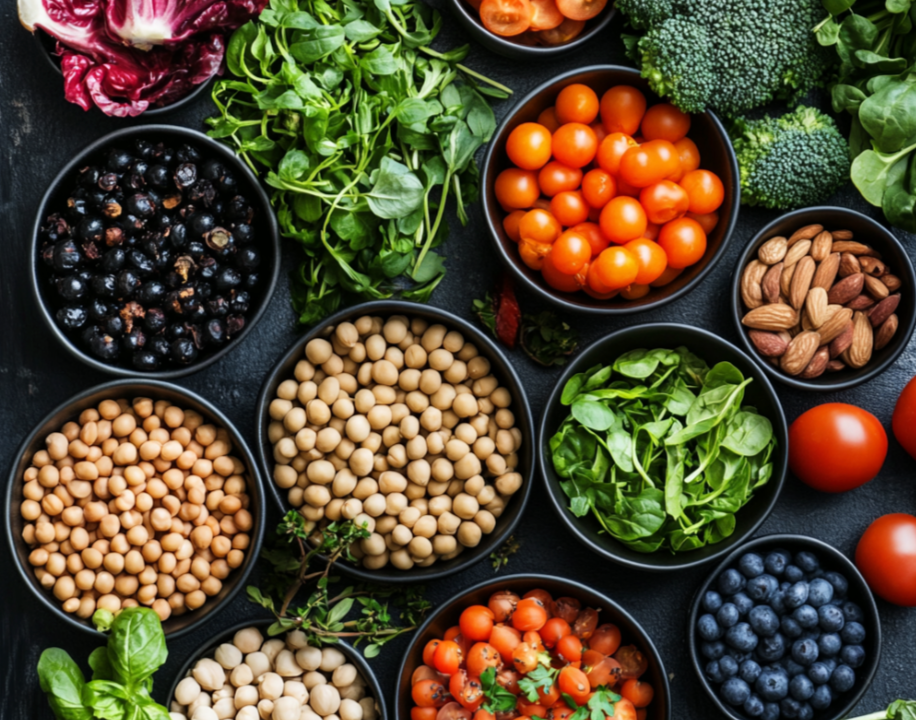
From improving our digestion to boosting our immune system, plant-based foods are packed with essential nutrients and antioxidants that can optimize our health. We will uncover the power of leafy greens, vibrant fruits, hearty legumes, and wholesome whole grains, and how they can contribute to our well-being.
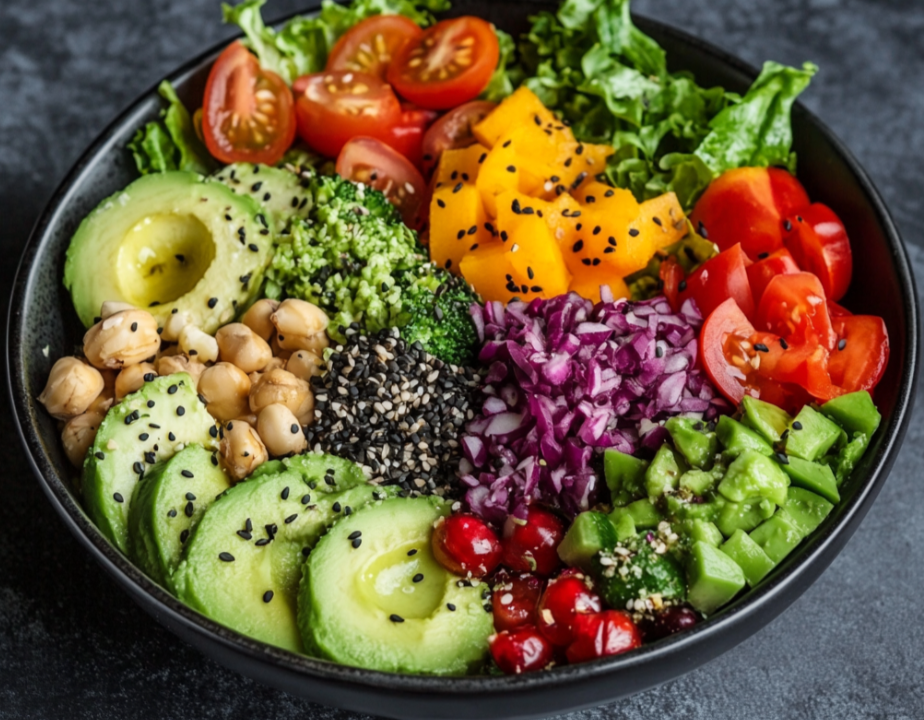
Discover the benefits of replacing animal products with plant-based alternatives and learn how to create delicious and nutritious plant-based meals that will leave you feeling satisfied and energized. Whether you are a seasoned plant-based enthusiast or just starting to explore this lifestyle, these plant-based health tips will empower you to make positive changes that will enhance your overall wellness.
Join us as we embark on a journey towards vibrant health and well-being through these top plant-based health tips.
The benefits of a plant-based diet
In our quest to boost our well-being, incorporating a plant-based lifestyle into our daily routines can be a game-changer. By embracing plant-based living, we can support our health and overall well-being in a natural and sustainable way. In this article, we will explore the top plant-based health tips that can help elevate our health to new heights.
Understanding the different types of plant-based diets
A plant-based diet offers numerous benefits for our well-being. Firstly, it is rich in essential nutrients and antioxidants that can optimize our health. Plant-based foods, such as leafy greens, vibrant fruits, hearty legumes, and wholesome whole grains, are packed with vitamins, minerals, and phytochemicals that support various bodily functions. These nutrients can improve our digestion, boost our immune system, and enhance our overall vitality.
Moreover, a plant-based diet can contribute to weight management and reduce the risk of chronic diseases. By consuming a diet focused on plant-based foods, we can naturally lower our intake of saturated fats and cholesterol, leading to a healthier weight and reduced risk of conditions like heart disease, diabetes, and certain types of cancer.
The importance of nutrient balance in a plant-based diet
Plant-based diets come in various forms, and it’s essential to understand the differences. The most well-known types include vegetarian, vegan, and flexitarian diets. Vegetarians exclude meat but may include animal products such as dairy and eggs. Vegans, on the other hand, avoid all animal products, including dairy, eggs, and honey. Flexitarians primarily follow a plant-based diet but occasionally incorporate small amounts of animal products.
Choosing the right type of plant-based diet depends on personal preferences and health goals. Some individuals may find it easier to transition gradually, while others may choose to adopt a more strict plant-based lifestyle. The key is to find a balance that works best for your body and lifestyle.
Incorporating a variety of fruits and vegetables into your meals
A well-balanced plant-based diet is crucial to ensure we meet all our nutritional needs. While plant-based foods are nutrient-dense, it’s important to pay attention to specific nutrients that may be lacking in a plant-based diet. These include protein, iron, calcium, vitamin B12, and omega-3 fatty acids.
To ensure an adequate intake of protein, incorporate plant-based sources such as tofu, tempeh, legumes, and quinoa into your meals. Iron can be obtained from sources like dark leafy greens, lentils, and fortified cereals. Calcium can be found in plant-based milk alternatives, tofu, and leafy greens. Vitamin B12, which is primarily found in animal products, may require supplementation or consumption of fortified foods. Omega-3 fatty acids can be obtained from sources like flaxseeds, chia seeds, and walnuts.
Finding plant-based sources of protein
One of the key pillars of a plant-based diet is the abundance of fruits and vegetables. These colorful wonders are not only visually appealing but also provide a wide range of essential nutrients. Aim to incorporate a variety of fruits and vegetables into your meals to reap the benefits of their unique nutritional profiles.
Leafy greens, such as spinach, kale, and Swiss chard, are excellent sources of vitamins A, C, and K, as well as folate and fiber. Berries, including blueberries, strawberries, and raspberries, are packed with antioxidants that can protect against oxidative stress. Citrus fruits, such as oranges, grapefruits, and lemons, are rich in vitamin C, which supports immune function. Don’t forget about cruciferous vegetables, like broccoli, cauliflower, and Brussels sprouts, which are high in fiber and cancer-fighting compounds.
Essential vitamins and minerals for a plant-based diet
Protein is an essential macronutrient that plays a crucial role in our overall health. While animal products are commonly associated with high protein content, there are plenty of plant-based sources that can meet our protein needs. Legumes, such as lentils, chickpeas, and black beans, are excellent sources of plant-based protein. Tofu and tempeh, made from soybeans, are also great options.
Nuts and seeds, including almonds, cashews, chia seeds, and hemp seeds, are not only rich in protein but also provide healthy fats and other beneficial nutrients. Quinoa, a versatile grain, is a complete protein source, meaning it contains all essential amino acids. Including a variety of these plant-based protein sources in your diet will help ensure you meet your protein requirements.
Tips for meal planning and prepping on a plant-based diet
While a plant-based diet can provide an abundance of vitamins and minerals, there are a few nutrients that may require special attention. Vitamin B12, for instance, is primarily found in animal products, making it essential for those following a plant-based diet to ensure adequate intake through fortified foods or supplements.
Calcium is another nutrient that may need additional attention. While dairy products are commonly associated with calcium, plant-based sources such as fortified plant-based milk alternatives, tofu, and leafy greens can provide this essential mineral.
Plant-based substitutes for common animal-based ingredients
Meal planning and prepping can be incredibly helpful when following a plant-based diet. By devoting some time to plan and prepare your meals in advance, you can ensure that you have nutritious options readily available, which can help you stay on track and avoid relying on unhealthy convenience foods.
Start by creating a weekly meal plan, considering your schedule and dietary preferences. Include a variety of plant-based proteins, whole grains, fruits, and vegetables in your plan. Dedicate time each week to grocery shopping and batch cooking. Prepare large batches of grains, beans, and roasted vegetables that can be used as building blocks for multiple meals throughout the week. Portion out your meals into containers for easy grab-and-go options. Having a well-stocked pantry with plant-based staples, such as canned beans, whole grains, and spices, can also make meal preparation more convenient.
The role of exercise in a plant-based lifestyle
Transitioning to a plant-based diet doesn’t mean giving up your favorite dishes. Many animal-based ingredients can be easily substituted with plant-based alternatives without compromising on taste or texture. For example, dairy milk can be replaced with plant-based milk alternatives like almond milk, oat milk, or soy milk. Butter can be substituted with coconut oil or vegan margarine. Eggs can be replaced with mashed bananas, applesauce, or flaxseed meal mixed with water.
There are also numerous plant-based meat alternatives available in the market, such as tofu, tempeh, and seitan, which can be used as substitutes in recipes calling for meat. Experimenting with these plant-based substitutes can open up a whole new world of culinary possibilities.
In addition to a plant-based diet, regular physical activity plays a vital role in our overall well-being. Engaging in exercise can boost our energy levels, improve cardiovascular health, and enhance mental well-being. Whether it’s going for a brisk walk, taking a yoga class, or hitting the gym, finding an activity that you enjoy and can sustain long-term is key.
Consider incorporating strength training exercises to build and maintain muscle mass, which is important for overall health and metabolism. Aim for a combination of cardiovascular exercises, such as jogging or cycling, and strength training exercises, like weightlifting or bodyweight exercises. Don’t forget to warm up before each workout and cool down afterward to prevent injuries and aid in muscle recovery.
To read our latest blog click here: How Can The Right Mindset, Nutrition And Fitness Framework Improve Your Life
Follow Us On Facebook | Instagram