
The Impact of a Plant-Based Diet on Menopausal Symptoms
Menopause is a natural phase in a woman’s life, marked by various physical and emotional changes. Many women seek ways to alleviate the symptoms associated with menopause, such as hot flashes, mood swings, and low energy levels. One dietary approach that has gained popularity in recent years is the plant-based diet. But does adopting a plant-based diet really improve the quality of life for menopausal women? In this blog, we will explore the effects of a plant-based diet on menopausal symptoms and share insights from women who have made the switch.
Understanding Menopausal Symptoms
Before delving into the impact of a plant-based diet, let’s briefly discuss some common menopausal symptoms:
- Hot Flashes: These sudden and intense feelings of heat are a hallmark of menopause. They can lead to discomfort and disrupted sleep.
- Mood Changes: Menopause can bring mood swings, irritability, and even depression or anxiety in some women.
- Low Energy Levels: Fatigue and decreased energy can be frustrating and impact daily life.
- Weight Management: Many women struggle with weight gain during menopause, making it essential to find a diet that supports a healthy weight.
Plant-Based Diet and Menopausal Symptoms
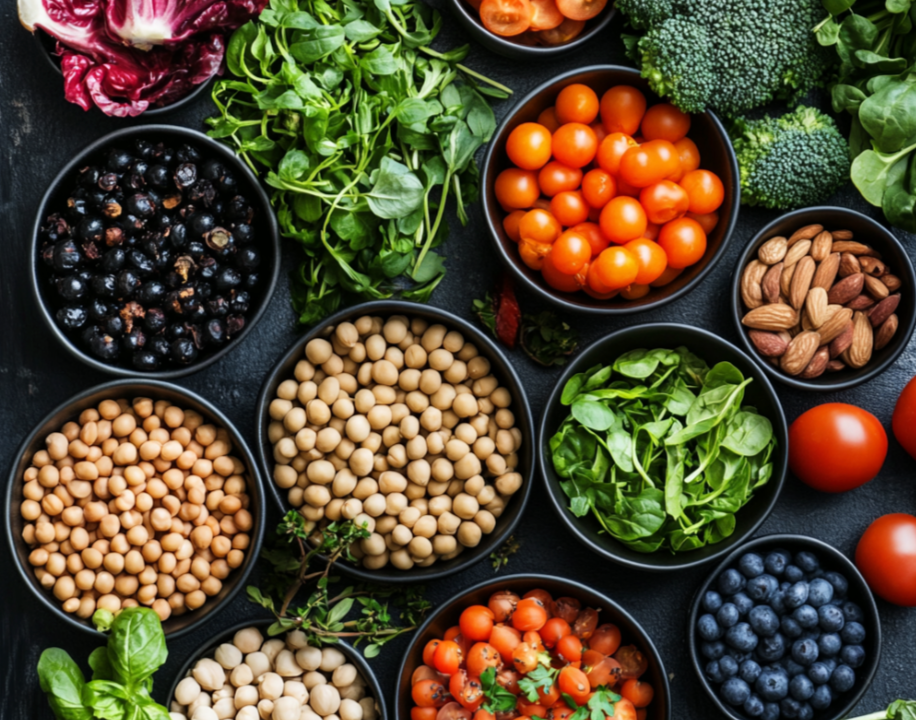
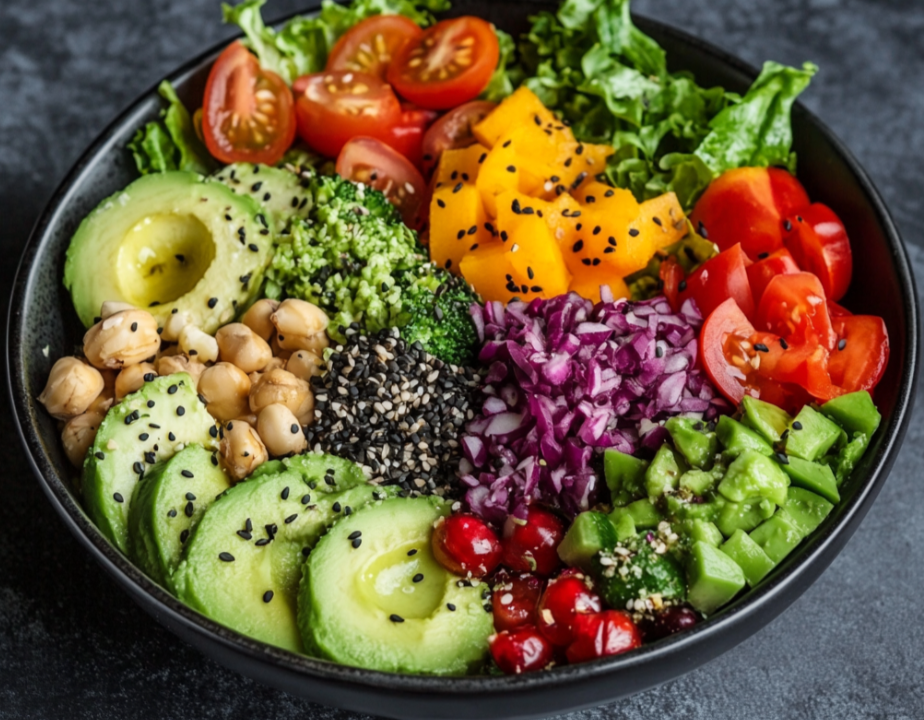
Plant-based diets focus on foods derived from plants, such as fruits, vegetables, whole grains, nuts, and seeds, while minimising or eliminating animal products. This dietary approach is rich in vitamins, minerals, fibre, and antioxidants, which can have various health benefits.
- Hot Flashes: Some women have reported a reduction in the frequency and severity of hot flashes after adopting a plant-based diet. The consumption of phytoestrogens found in soy products, for example, may help regulate hormonal fluctuations.
- Mood Changes: A diet rich in plant-based foods can provide essential nutrients that support mood regulation, such as omega-3 fatty acids, B vitamins, and magnesium. These nutrients may contribute to improved emotional well-being.
- Energy Levels: Many individuals who transition to a plant-based diet report increased energy levels. The abundance of complex carbohydrates in plant-based foods can provide sustained energy throughout the day.
- Weight Management: Plant-based diets are often associated with better weight control due to their lower calorie density and higher fiber content. Managing weight can be particularly important during menopause when hormonal changes can impact metabolism.
Real Experiences
To gain a better understanding of how a plant-based diet affects menopausal symptoms, we reached out to women who have made this dietary shift:
- Susan, 52, shared that after switching to a plant-based diet, her hot flashes reduced significantly. She also noticed an improvement in her mood and energy levels, which she attributes to the abundance of fruits and vegetables in her diet.
- Maria, 49, reported that her weight remained stable after adopting a plant-based diet, despite the common menopausal weight gain she had expected. She found this diet easier to maintain and credited it with helping her feel more energetic.
- Lisa, 56, mentioned that while she still experienced occasional hot flashes, they were less intense and frequent after incorporating more plant-based meals into her diet. She also noted an overall improvement in her emotional well-being.
The impact of a plant-based diet on menopausal symptoms can vary from person to person. While some women experience significant improvements in hot flashes, mood changes, energy levels, and weight management, others may not see the same effects. It’s essential to remember that individual factors, such as genetics and overall lifestyle, play a role in how menopausal symptoms are experienced.
If you’re considering a plant-based diet to manage your menopausal symptoms, it’s advisable to consult with a healthcare professional or a registered dietitian. They can provide personalised guidance and ensure that you meet your nutritional needs during this transformative phase of life.
In conclusion, a plant-based diet may offer potential benefits for menopausal women, but the key is to make dietary choices that align with your individual needs and preferences.
To read our latest blog click here: How Can The Right Mindset, Nutrition And Fitness Framework Improve Your Life
Follow Us On Facebook | Instagram