
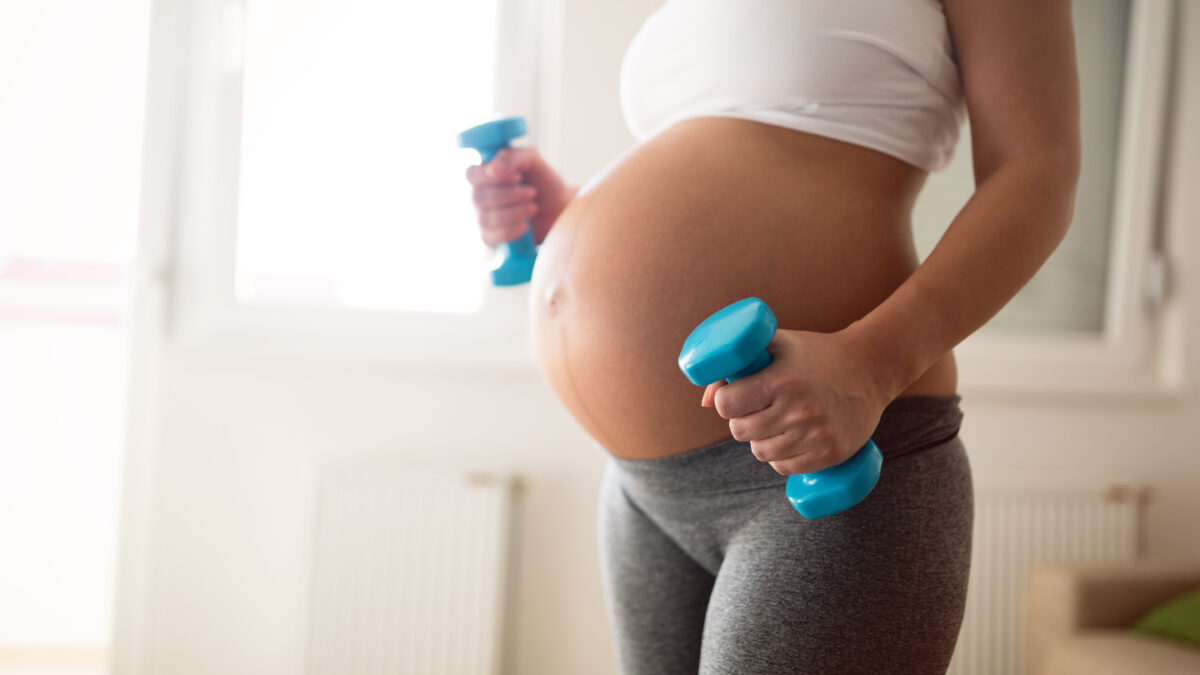
Why Pregnant Women Should Exercise and Move More
Pregnancy is a time of great change for a woman’s body. As her baby grows, her body will need to adapt to accommodate the extra weight and demands of pregnancy. Exercise can help a woman’s body to adapt to these changes and can also have many other benefits for both her and her baby.
Here are some of the benefits of exercise during pregnancy:
Improved physical fitness
Exercise can help a woman to maintain her strength and endurance during pregnancy. This can make it easier for her to cope with the physical demands of pregnancy, such as carrying extra weight and walking long distances.
Reduced risk of complications
Exercise can help to reduce the risk of pregnancy complications, such as gestational diabetes, preeclampsia, and preterm labour.
Improved mood
Exercise can help to improve a woman’s mood and reduce stress levels. This can be especially helpful during the second and third trimesters of pregnancy when women are more likely to experience fatigue and anxiety.
Improved sleep
Exercise can help to improve a woman’s sleep quality. This is important during pregnancy, as women often experience sleep disturbances due to their changing hormones and growing baby.
Weight gain management
Exercise can help a woman to manage her weight gain during pregnancy. This is important, as excessive weight gain can increase the risk of complications for both the mother and the baby.
How much exercise is enough?
The Centers for Disease Control and Prevention (CDC) recommends that pregnant women get at least 150 minutes of moderate-intensity aerobic activity or 75 minutes of vigorous-intensity aerobic activity each week. They also recommend that pregnant women do muscle-strengthening activities that work all major muscle groups (legs, hips, back, abdomen, chest, shoulders, and arms) on two or more days a week.
What types of exercise are safe during pregnancy?
Most types of exercise are safe for pregnant women. However, it is important to avoid activities that involve high-impact or jarring movements, such as running, jumping, and downhill skiing. It is also important to avoid activities that involve lying on your back after the first trimester, as this can put pressure on the vena cava, a major vein that carries blood back to the heart.
What should I do if I have any concerns about exercising during pregnancy?
If you have any concerns about exercising during pregnancy, talk to your doctor. They can help you to create an exercise plan that is safe and appropriate for your individual needs.
Here are some additional tips for exercising safely during pregnancy
1. Start slowly and gradually increase the intensity and duration of your workouts over time.
2. Listen to your body and stop if you feel pain or discomfort.
3. Stay hydrated by drinking plenty of fluids before, during, and after your workout.
4. Wear comfortable clothing and shoes that provide good support.
5. Choose activities that you enjoy and that are appropriate for your fitness level.
6. Be sure to cool down after your workout by walking or stretching for a few minutes.
By following these tips, you can safely enjoy the many benefits of exercise during pregnancy.
For healthy plant-based recipes check out our sister website yourplantbasedhealth.com
For more articles on health, fitness, nutrition, and wellness check out our other blog articles.