Introduction
I’ve lost a lot of weight over the years, but more recently I’ve been able to maintain that loss by changing up my diet. I’m also trying out some new workout routines to help maintain my muscle mass while losing fat, which is important for several reasons:
- It helps you look better (because muscle burns calories faster than fat does)
- It helps you feel better about yourself (by making you stronger and healthier), and
- It makes it easier to lose weight because it keeps your metabolism running high even when you’re just sitting around doing nothing!
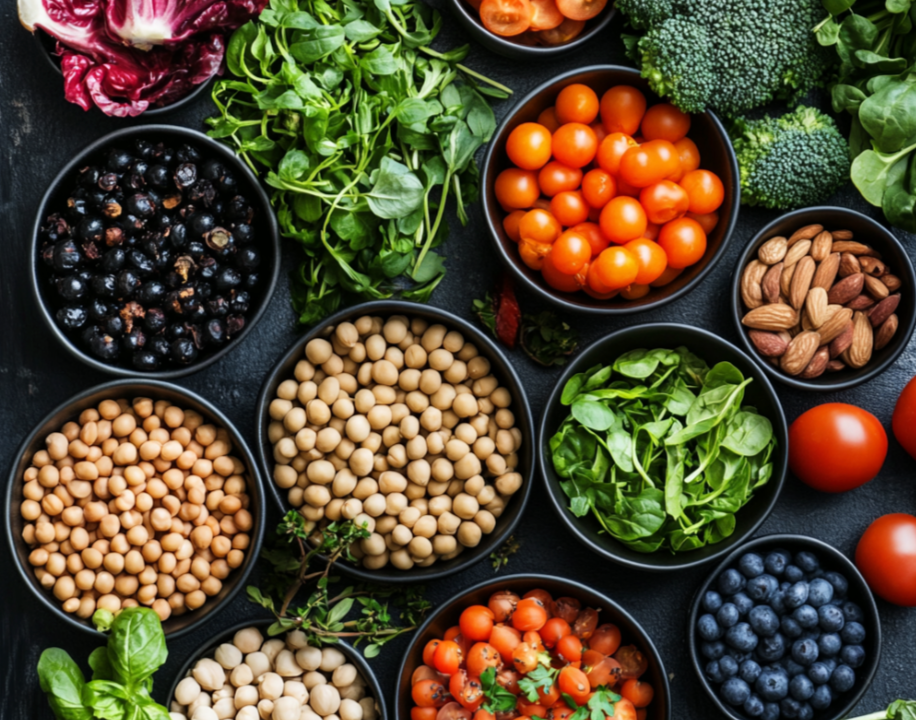
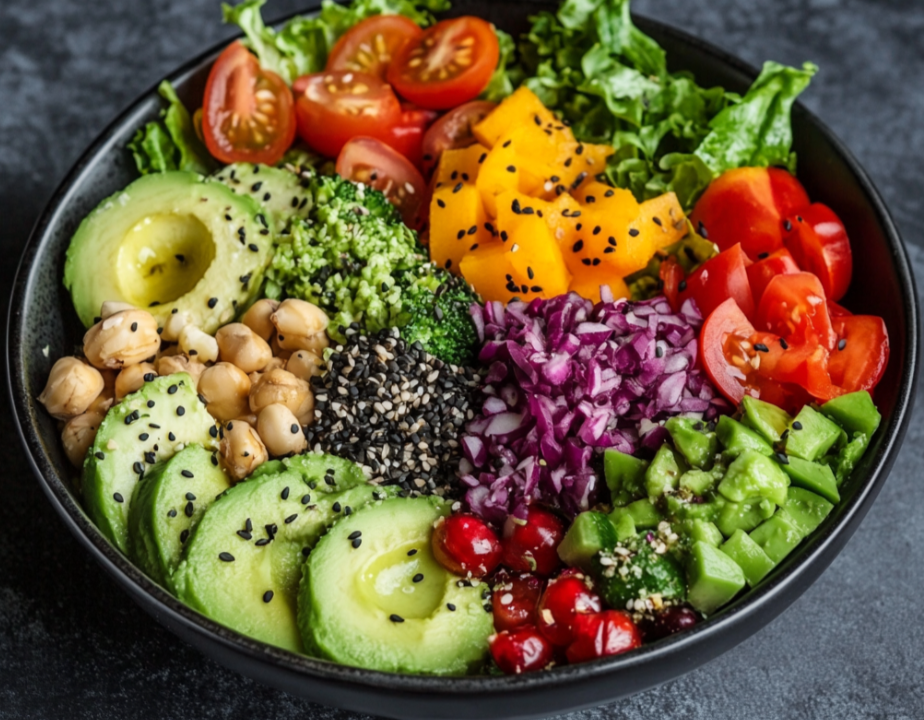
The best foods for weight loss are plant-based.
The best foods for weight loss are plant-based. The reason is simple: plants are low in calories and high in fiber, which keeps you feeling full longer.
A plant-based diet can help you lose weight quickly, as well as keep it off long term. It also improves your health overall–you’ll have lower cholesterol levels and blood pressure, less inflammation throughout the body (which may reduce symptoms of arthritis), and even fewer cavities!
Cut out sugar to lose weight.
Cutting out sugar is the most important thing you can do to lose weight. Sugar is a major cause of obesity, type 2 diabetes, heart disease and cancer. It also plays a role in dementia and Alzheimer’s disease (1).
The reason why sugar is so bad for you is because it increases your insulin levels (2). Insulin is a hormone that stores fat by converting it into triglycerides which are then stored in the liver or muscles as glycogen (3). When we eat carbohydrates our pancreas releases insulin into our bloodstream to help us process them properly so they don’t get stored as fat instead of being used as energy by our bodies (4). But when we consume too much sugar over time this mechanism starts malfunctioning which leads to weight gain because excess carbs are converted into triglyceride molecules that stay trapped within cells rather than being released for use as energy or burned off through exercise
Cut out alcohol and caffeine.
Caffeine and alcohol both contribute to dehydration, which can lead to water weight loss.
If you’re trying to lose weight, it’s important to make sure that you are properly hydrated. Weight Loss That Actually Work Alcohol is a diuretic, meaning that it causes your body to release more urine than usual (1). If this happens regularly, then your body will struggle with retaining fluids–and this could have an impact on how much fat is stored in muscle tissue (2).
Caffeine also has diuretic properties; however, research suggests that regular coffee drinkers do not experience any increase in urine production compared with non-coffee drinkers (3). This means that although caffeine may cause some temporary fluid loss from the body when consumed at high doses or over prolonged periods of time (4), drinking coffee does not necessarily lead directly toward dehydration as does drinking alcoholic beverages such as beer or wine
Another simple way to lose weight is to cut carbs.
Another simple way to lose weight is to cut carbs. This means you’ll be eating less refined carbs like white bread, pasta and rice; instead, you should eat more whole grains (like brown rice) and vegetables that are high in fiber (like broccoli). Fruits are also great because they contain antioxidants which help your body fight off disease.
Eat a lot of fiber, which keeps you fuller longer.
Fiber is a carbohydrate that’s not broken down in your body, so it passes through you undigested. Soluble fiber dissolves in water and forms a gel-like substance as it travels through your digestive tract. It also helps keep blood sugar levels steady, which can lower the risk of heart disease and diabetes.
Fiber-rich foods include fruits, vegetables, whole grains and beans–and they’re all good for weight loss because they keep you full longer (and therefore less likely to overeat). For example: one cup of raspberries contains 8 grams of fiber; half an ounce of almonds has 4 grams; half a cup cooked lentils has 13 grams!
Don’t let yourself get too hungry, so that you’ll be less likely to overeat.
- Don’t let yourself get too hungry, so that you’ll be less likely to overeat.
- Eat every 2-3 hours. If you’re constantly skipping meals and getting too hungry, then your body will signal to your brain that it needs more food as soon as possible–and this may lead to overeating at the next meal or snack time. Plus, when people are really hungry (like after working out), they tend to eat more high-calorie foods like pizza or cookies because those foods give them an immediate boost of energy without having much nutritional value.
- Eat a healthy snack if you’re hungry between meals: Try nuts; fresh fruit; yogurt with honey, granola or peanut butter on top; hummus with veggies such as carrots or celery sticks; cheese cubes dipped in salsa…the possibilities are endless! Just make sure whatever else is being eaten alongside these snacks doesn’t contain large amounts of sugar (like chocolate bars).
Drink a glass of water before every meal or snack.
Drinking a glass of water before every meal or snack can help you feel fuller, which can prevent overeating.
Giving your body the right amount of water is also important for overall health and wellness. Water helps with digestion, prevents constipation and keeps your skin looking healthy.
Drinking enough water will also help you lose weight because it increases metabolism by keeping your body hydrated!
Don’t skimp on sleep — lack of sleep causes weight gain over time.
The link between sleep and weight gain is well-established. A review of clinical trials published in the American Journal of Clinical Nutrition found that people who got less than six hours of sleep a night had an increased risk for obesity and type 2 diabetes compared with those who slept seven to eight hours daily.
Weight Loss That Actually Work Sleep deprivation can cause weight gain because it increases ghrelin levels, a hormone that tells your body whether or not it’s hungry (and therefore whether or not you should eat). Ghrelin levels rise when we don’t get enough sleep, which increases appetite and prompts us to eat more food — especially high-calorie foods like burgers or fries at fast food joints. Studies have also shown that lack of sleep disrupts our natural circadian rhythms, leading us to make poor decisions about what we eat throughout the day; when we’re tired and groggy in the morning after only five hours’ restful slumber, grabbing a donut on the way out the door seems like a perfectly reasonable choice!
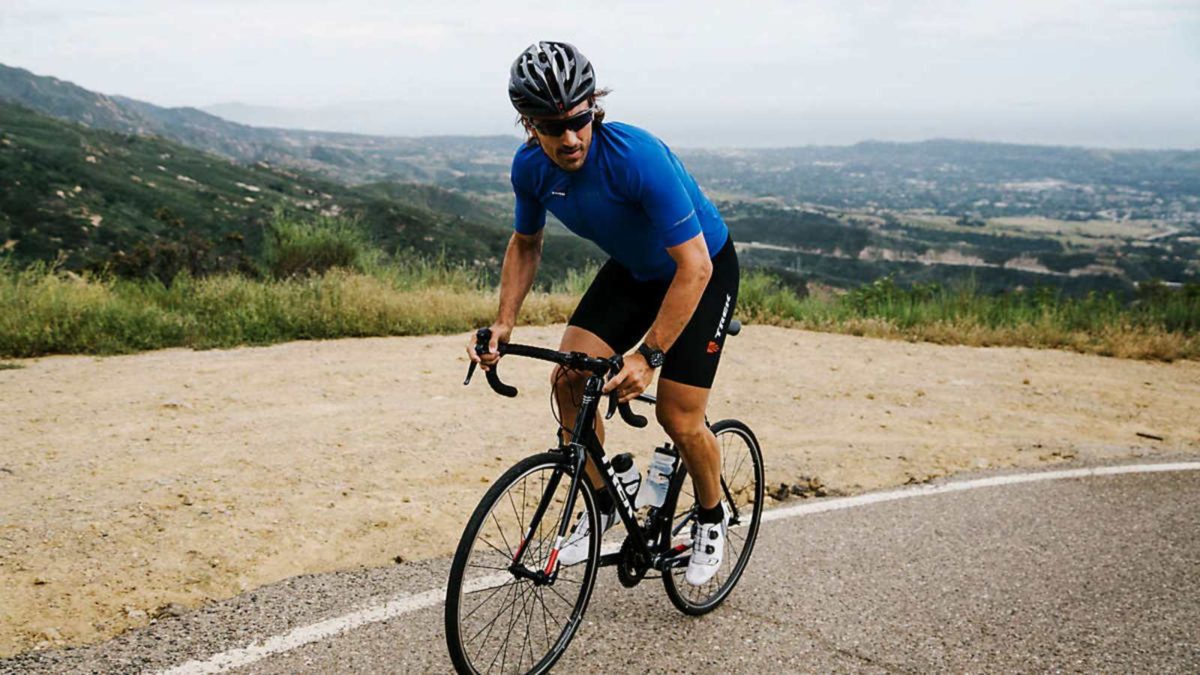
Weight Loss That Actually Work Exercise every day to help maintain muscle mass while losing fat and also to boost your metabolism so you burn more calories overall even when you’re just sitting around watching TV! I recommend doing strength training at least twice a week and cardio at least five times a week; do them on separate days so you have time in between each workout to rest and recover without feeling sore or tired too long after each session (this will help preserve your ability to progress with strength training). Make sure your workouts are varied enough so that they don’t get boring (this will help keep motivation high) — switch things up by doing different exercises for different muscles, work different body parts on different days (legs one day, chest and arms another day), switch up your reps and sets from time to time (lower reps with more sets one day, higher reps with fewer sets another day), etc.
Weight Loss That Actually Work Exercise every day to help maintain muscle mass while losing fat and also boost your metabolism so you burn more calories overall even when you’re just sitting around watching TV! I recommend doing strength training at least twice a week and cardio at least five times a week; do them on separate days so you have time in between each workout to rest and recover without feeling sore or tired too long after each session (this will help preserve your ability to progress with strength training). Make sure your workouts are varied enough so that they don’t get boring (this will help keep motivation high) — switch things up by doing different exercises for different muscles, work different body parts on different days (legs one day, chest and arms another day), switch up your reps and sets from time to time (lower reps with more sets one day, higher reps with fewer sets another day), etc.
Conclusion
I hope these tips have helped you understand how to lose weight and keep it off. The most important thing to remember is that there are no shortcuts! If you want results, then it takes work — but if you’re willing to put in the effort, Weight Loss That Actually Work then I promise they will come.