Introduction
The best way to treat acid reflux is with lifestyle changes. Avoid alcohol, caffeine and spicy foods. Drink lots of water. Reduce stress. Eat smaller meals more frequently throughout the day. Eat a plant-based diet. Use a warm compress on your stomach area or try taking apple cider vinegar supplements or slippery elm tea for ulcers in the digestive system.”
Avoid alcohol, caffeine and spicy foods
Avoid alcohol, caffeine and spicy foods
Alcohol, caffeine and spicy foods can make acid reflux symptoms worse. Alcohol has been known to increase acid production in the stomach and decrease the lower esophageal sphincter’s ability to close properly. Caffeine can also irritate the digestive system by causing heartburn or GERD (gastroesophageal reflux disease). Some experts believe that spicy food irritates your stomach’s lining and makes it more susceptible to damage from other substances such as alcohol or fat-filled foods that are difficult for your body to digest properly
Drink lots of water
Drink lots of water.
Water helps your body to flush out toxins, which can cause heartburn, constipation and kidney stones. It also helps prevent headaches by keeping the blood vessels in your brain healthy and flexible.
Avoid foods that cause acid reflux.
- Avoid eating too much fat. Fat is a common cause of acid reflux, especially if you’re overweight or obese.
- Avoid eating too many acidic foods. Foods that are high in acid can trigger heartburn and other symptoms of GERD, so try to steer clear of them as much as possible: tomatoes and tomato-based sauces (such as spaghetti sauce), citrus fruits such as lemons and oranges (but not grapefruit!), vinegars like balsamic vinegar (which has been linked to increased risk for Barrett’s esophagus), pickles and fermented foods such as kimchi (which contains probiotic cultures that may help reduce the risk for GERD). Alcoholic beverages have also been linked with increased risk for GERD due to their high levels of alcohol; while they don’t directly cause it themselves–it’s more related to what happens when your body processes alcohol–you should still avoid drinking excessively if you have episodes regularly because doing so could make them worse over time.* Avoid spicy foods whenever possible because these tend toward being high in both fat content AND acidic ingredients like tomatoes/tomato sauce which increases risk even further.* Sugar: Although it doesn’t directly cause acid reflux like some other things do on this list do…consuming too much sugar can lead indirectly increase susceptibility by causing people who usually wouldn’t experience problems with acid reflux symptoms become more susceptible due increased blood glucose levels caused by excessive intake
Eat a plant-based diet.
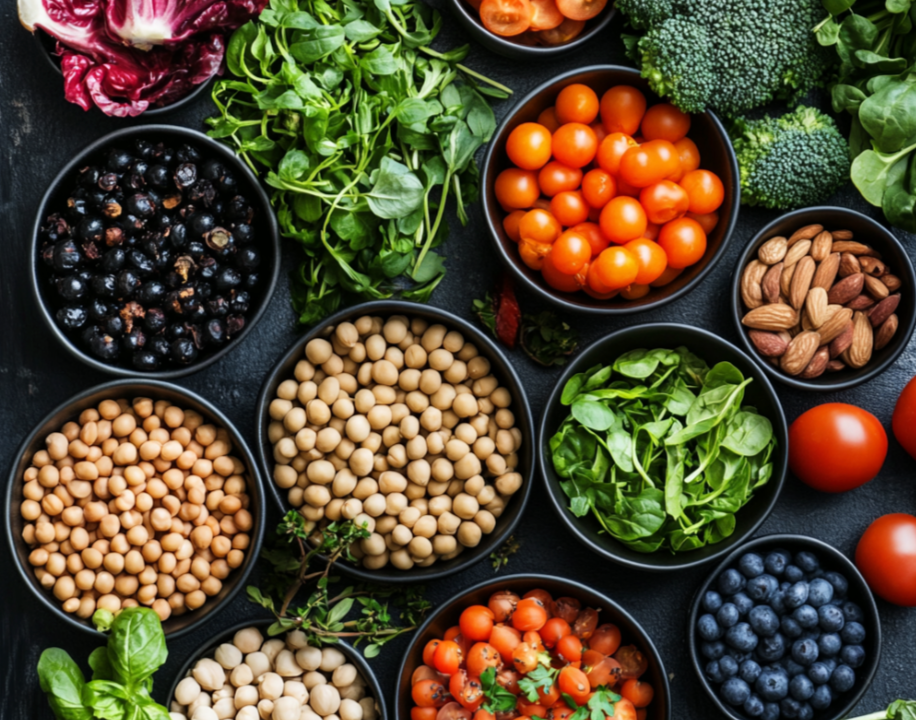
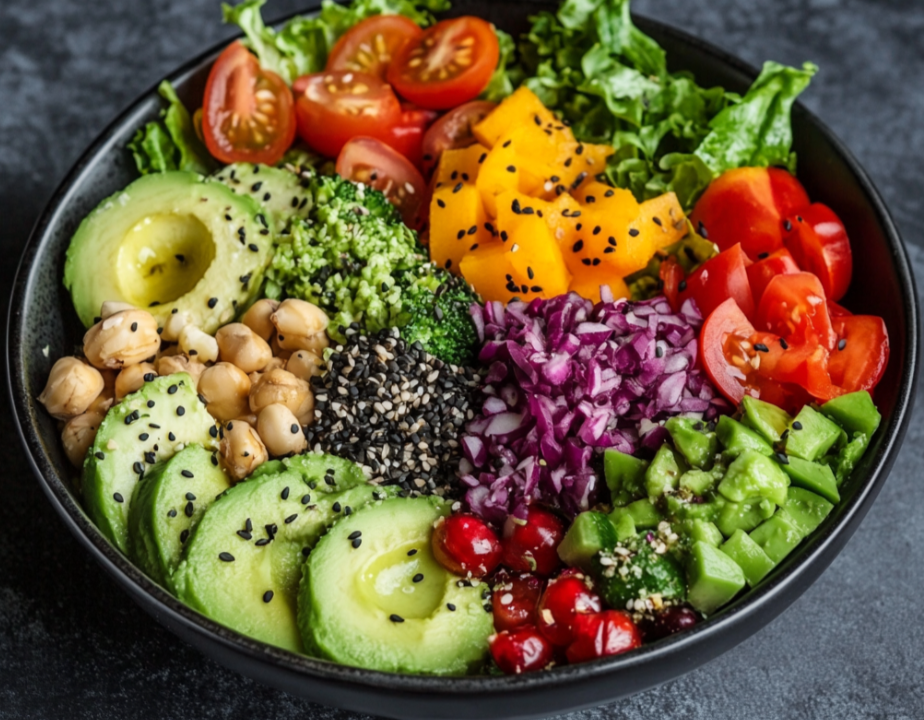
A plant-based diet is the best way to treat acid reflux. A vegan diet can be beneficial for anyone, but it’s especially helpful for people who suffer from GERD because it eliminates many foods that irritate the stomach and cause inflammation (including meat, dairy products and eggs).
A vegan diet focuses on whole grains, fruits, veggies and legumes like lentils or chickpeas–all of which have a low glycemic index (GI). Low GI foods are digested slowly by your body so they don’t cause spikes in blood sugar levels that may trigger heartburn symptoms.
Reduce stress.
Stress is a major cause of acid reflux, which can lead to indigestion, heartburn and ulcers. Stress also causes nausea and bloating in many people.
To reduce stress:
- Take time for yourself every day.
- Exercise regularly (exercise can be as simple as taking a walk).
- Practice mindfulness meditation or yoga regularly (these are great tools for reducing stress).
Use a warm compress on your stomach area.
If you’re looking for a natural treatment that can help reduce the symptoms of acid reflux, try a warm compress on your stomach area. This will help relax the muscles in your esophagus and allow food to pass more easily.
You can do this by placing a hot water bottle or heating pad over the area near where your lower ribs meet. You could also try taking a warm shower, wrapping yourself in warm towels after getting out of the shower, or even putting on an extra layer of clothing before going to bed (just make sure it’s not too tight). As long as it’s not so hot that it burns or irritates your skin–and doesn’t cause any discomfort–it should do its job!
Try eating smaller meals more frequently throughout the day.
If you suffer from acid reflux, it’s important to eat smaller meals more frequently throughout the day. Eating slowly can help prevent heartburn as well, so try to chew your food well and take breaks between bites.
Avoid lying down for two hours after eating a large meal or right before going to bed at night if you have trouble sleeping due to heartburn or indigestion issues. You should also avoid eating heavy foods such as fried foods, fatty meats and cheese that might make your symptoms worse in general (and definitely don’t drink milk!).
Take a supplement like apple cider vinegar, slippery elm and marshmallow root to soothe ulcers in the digestive system, or eat these foods as part of your diet.
These supplements can help soothe ulcers in the digestive system, or they can be eaten as part of your diet.
- Apple cider vinegar: Mix 1/2 cup apple cider vinegar with 1 cup water and drink it once daily. You can also add 1 tablespoon of honey to make this drink more palatable.
- Slippery elm: Add 1 teaspoon of powdered slippery elm bark powder to hot water and sip slowly on an empty stomach for about 10 minutes before each meal for two weeks (take a break from this remedy).
- Marshmallow root: Add 2 teaspoons dried marshmallow roots into boiling water until it forms a thick paste; drink twice daily before meals for two weeks (take a break from this remedy).
The best way to treat acid reflux is with lifestyle changes
The best way to treat acid reflux is with lifestyle changes. There are certain things you can do to help reduce your symptoms and prevent them from coming back, including:
- Eating a plant-based diet
- Reducing stress
- Drinking lots of water (about half your body weight in ounces) each day. This will help flush out toxins that cause inflammation in the digestive tract, which leads to heartburn and indigestion
Avoiding alcohol, caffeine and spicy foods can also be helpful for some people who suffer from acid reflux symptoms
Conclusion
For many people, these lifestyle changes are enough to treat their acid reflux. If you’re still experiencing symptoms after trying some of the above tips, talk with your doctor about taking over-the-counter medications or prescription drugs. It’s important to remember that all medications have side effects, so it’s best if they can be avoided if at all possible!