Introduction
Weight loss is a process, not a one-time event. It’s something that will require ongoing dedication and effort from you if you want to achieve the results you desire. Fortunately, there are plenty of ways to make the journey easier by following these tips!
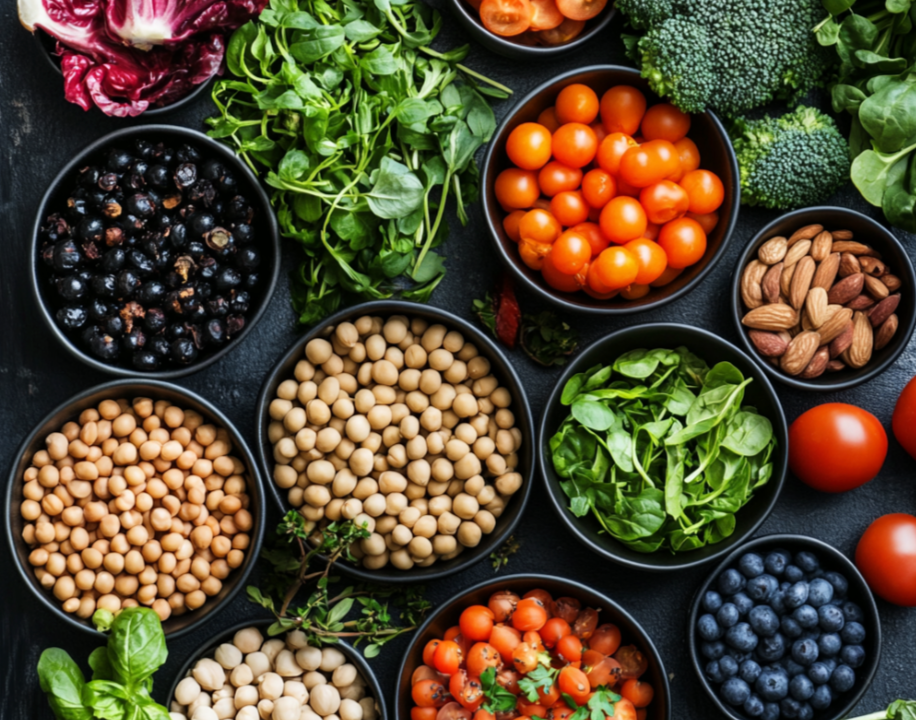
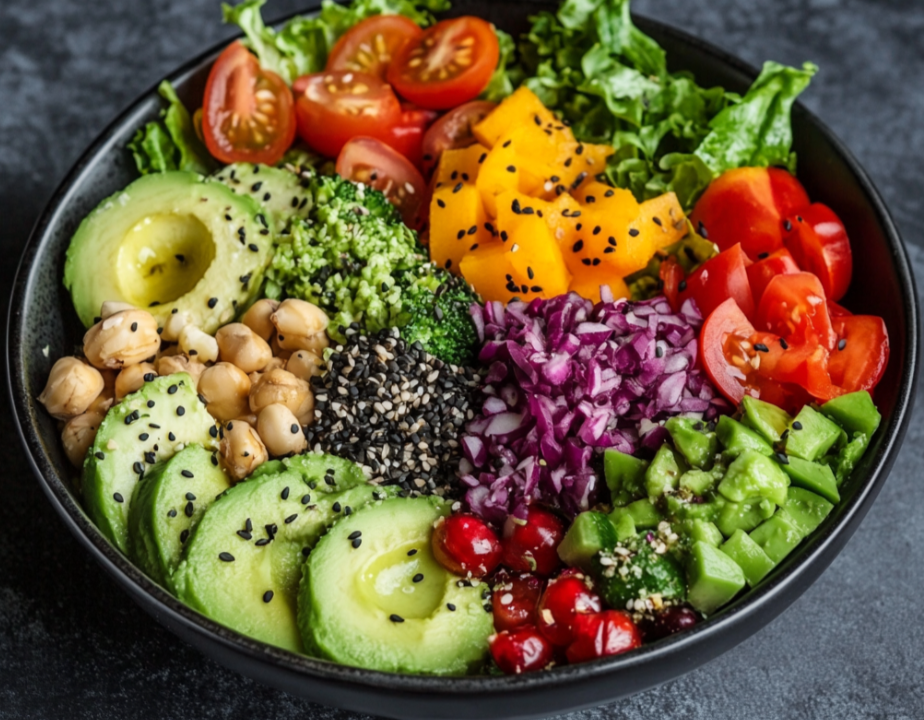
- Eat real food
- Eat real food
You’ll want to avoid processed foods, artificial sweeteners and refined carbohydrates in order to lose weight. Your body can’t process these things as well as it does whole foods like fruits and vegetables, which means that more of the calories from these products end up being stored as fat instead of burned off for energy.
- Eat protein
Protein is an essential part of any healthy diet. It helps to build muscle, keep you full longer and can even help you lose weight. Protein can be found in many different foods such as meat, fish, eggs and beans.
If you’re looking for more protein-rich options that are also low in fat and calories then try choosing lean cuts of meat such as chicken breast or turkey breast instead of beef steak; fish like tuna steaks rather than salmon fillets; hard boiled eggs instead of fried egg sandwiches; beans on toast instead of a grilled cheese sandwich with bacon!
- Eat more fibre
Fibre is the part of fruits, vegetables, grains and legumes that our bodies can’t digest. It helps keep you full and satisfied, lowers cholesterol levels and prevents constipation. Fibre also helps lower your risk for heart disease by reducing blood pressure. The fibre found in whole grains may help reduce the risk of diabetes too!
Fibre also benefits your digestive system by adding bulk to stools so they’re easier to pass through the colon when you go to the bathroom–this helps prevent constipation. If you have diarrhoea caused by irritable bowel syndrome (IBS), eating more high-fibre foods may help slow down how fast food moves through your system so it doesn’t cause uncomfortable cramping or bloating.*
- https://www.mayoclinic.org/healthy-lifestyle/nutrition-and-healthy-eating/in-depth/dietary-fiber/art-20047591
- Eat less sugar
- Sugar is not good for you.
- Sugar is in a lot of processed foods.
- Sugar can cause weight gain, diabetes and heart disease.
- Sugar can also lead to cancer.
- Manage your calories carefully
In order to lose weight, you need to consume fewer calories than your body burns. This is called creating a calorie deficit.
If you eat more calories than what your body needs to function, then you will create a surplus of energy–and this can lead to weight gain over time.
- Move more throughout the day
- Move more throughout the day.
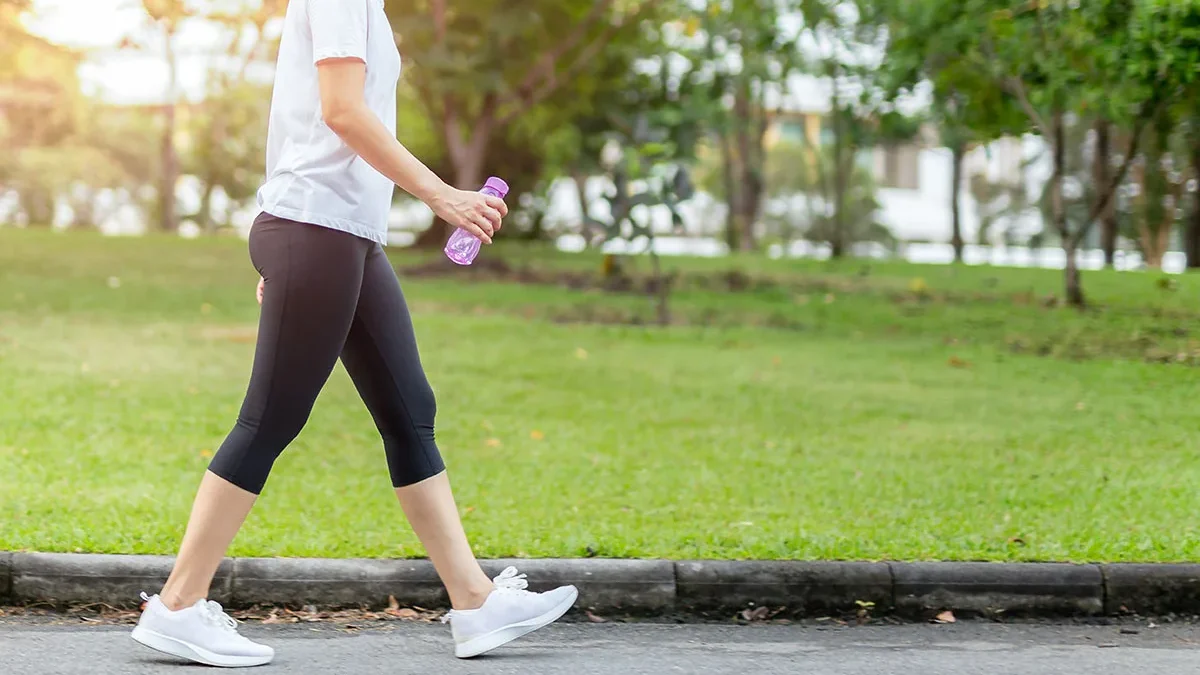
- Walk more, especially if you can do it at a brisk pace. If you don’t want to be seen as some kind of health nut or fitness zealot, just park further away from your destination and take the stairs instead of the elevator when possible. These little things add up quickly!
- Take a walk at lunchtime (or even better, take a walk before work). You’ll probably find that this helps ease any stress from your job and gives you time alone with your thoughts–which will help keep those negative thoughts about eating junk food at bay!
- Walk after dinner–or better yet–take your dog for a walk after dinner! This will give both parties something fun and exciting to look forward too while also helping them bond in ways only dogs know how…
- Drink water regularly and eat fruits and vegetables throughout the day
Drink water regularly
Drinking enough water is one of the best ways to lose weight and stay healthy. Water helps your body process nutrients, lubricate joints and tissues, regulate temperature and flush out toxins. It also aids in digestion by stimulating the production of saliva that breaks down food as it moves through your digestive tract.
Water helps you feel full so you don’t overeat–particularly helpful when dining out or at parties where there is no control over portion sizes (or when you’re hungry). Drinking plenty of clean, pure water each day can also help prevent constipation by keeping things moving along smoothly inside your body!
In hot weather: drink more! When temperatures rise above 80 degrees Fahrenheit (26 degrees Celsius), our bodies need more fluids than usual because we are losing more through perspiration than normal evaporation rates would allow us to replace without replenishing our supply with something like ice cream cones or other sweet treats…
- Keep a food diary to track your progress and identify areas where you can improve behaviour
As you lose weight, it’s important to keep track of your progress. A food diary is a great way to do this. A phone app like MyFitnessPal can help you track calories and make sure that you’re eating enough food every day.
You should also write down what time of day each meal was eaten, how much exercise (if any) was done during the day and any other relevant information such as whether or not you exercised before eating or if there were any special circumstances surrounding a particular meal (such as being out at dinner).
Once you’ve been keeping this diary for awhile, look back over it with an eye toward identifying areas where your behaviour might need improvement. For example: Do I eat too much junk food? Am I getting enough sleep? Do I snack too often between meals?
- Get enough sleep each night
Getting enough sleep is important for your overall health, but it’s also crucial for weight loss. When you’re tired and stressed out, it can be hard to make good choices about what to eat or when you exercise. You may even find yourself having trouble focusing on tasks at work or school.
The National Sleep Foundation recommends that adults get seven to nine hours of sleep each night–and if you’re trying to lose weight, those numbers are even more important: Your body needs that much time in bed so that it has time to recover from all the physical exertion during the day (like working out). Getting less than six hours per night has been linked with an increased risk for obesity and diabetes as well as heart disease and high blood pressure–all things that could interfere with your ability to reach your goals!
- Be mindful of your emotions and how they impact eating habits as well as overall health
Emotions can affect your eating habits, which in turn can affect your health. If you’re feeling stressed or angry, for example, it’s important to be mindful of how these emotions could impact what and how much food you eat. If a friend is going through a difficult time and asks if he or she can talk about it over lunch, don’t automatically say no because it might mean skipping out on dessert (or even an entire meal). Instead of thinking about the potential dangers of being around certain people when we’re upset or angry–and feeling guilty when we realize how much weight we gain from doing so–we should focus on recognizing our own internal triggers first so that they don’t lead us down an unhealthy path by defaulting into old habits like binge eating.
When faced with stressful situations like exams or job interviews where there’s pressure not only from external sources but also from within ourselves (eagerness), try taking deep breaths before responding; this may help put things into perspective while preventing any unnecessary stressors from building up inside your body over time.”
11 Take action every day toward your weight loss goals in order to stay motivated and focused on success
- Take action every day toward your weight loss goals in order to stay motivated and focused on success
You need to take action every day if you want to stay motivated, focused and successful. You need to be consistent in your approach and persistent in your efforts.
Conclusion
If you want to lose weight and keep it off, the first step is to make a commitment to yourself. You need to be willing to take action every day toward your weight loss goals in order to stay motivated and focused on success. Once you’ve done that, it’s time for some tips! Here are 15 ways that will help get your body moving in the right direction.